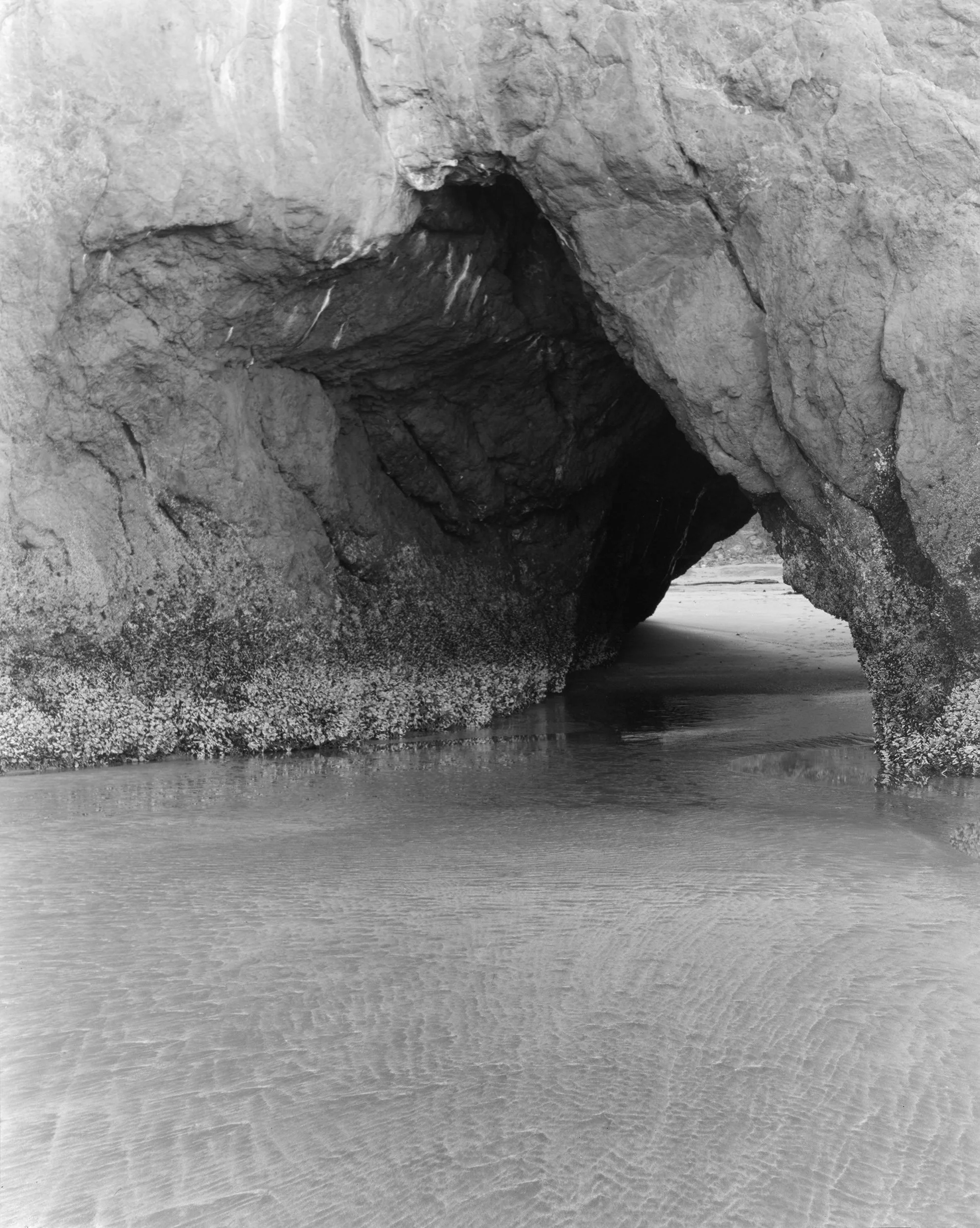
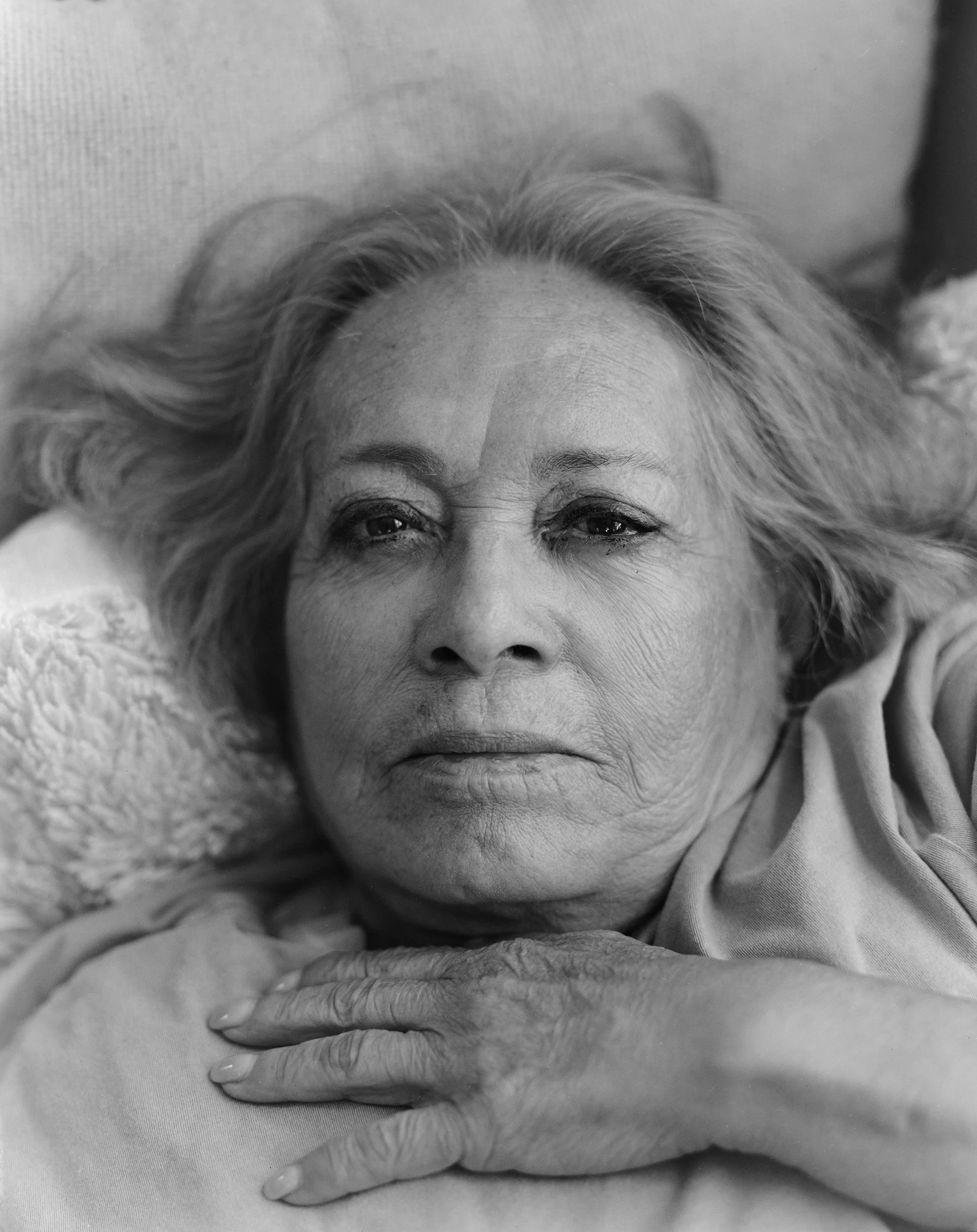
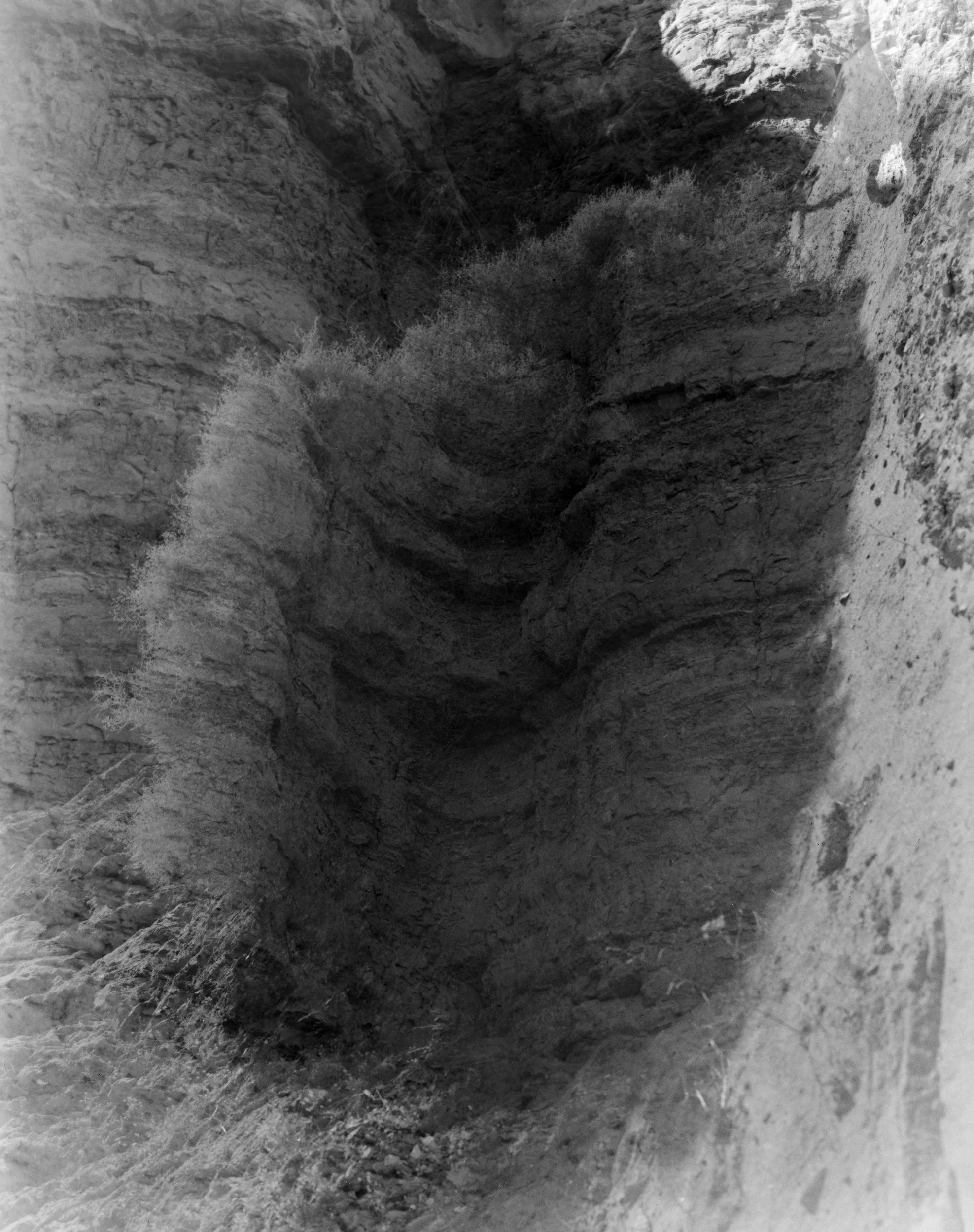
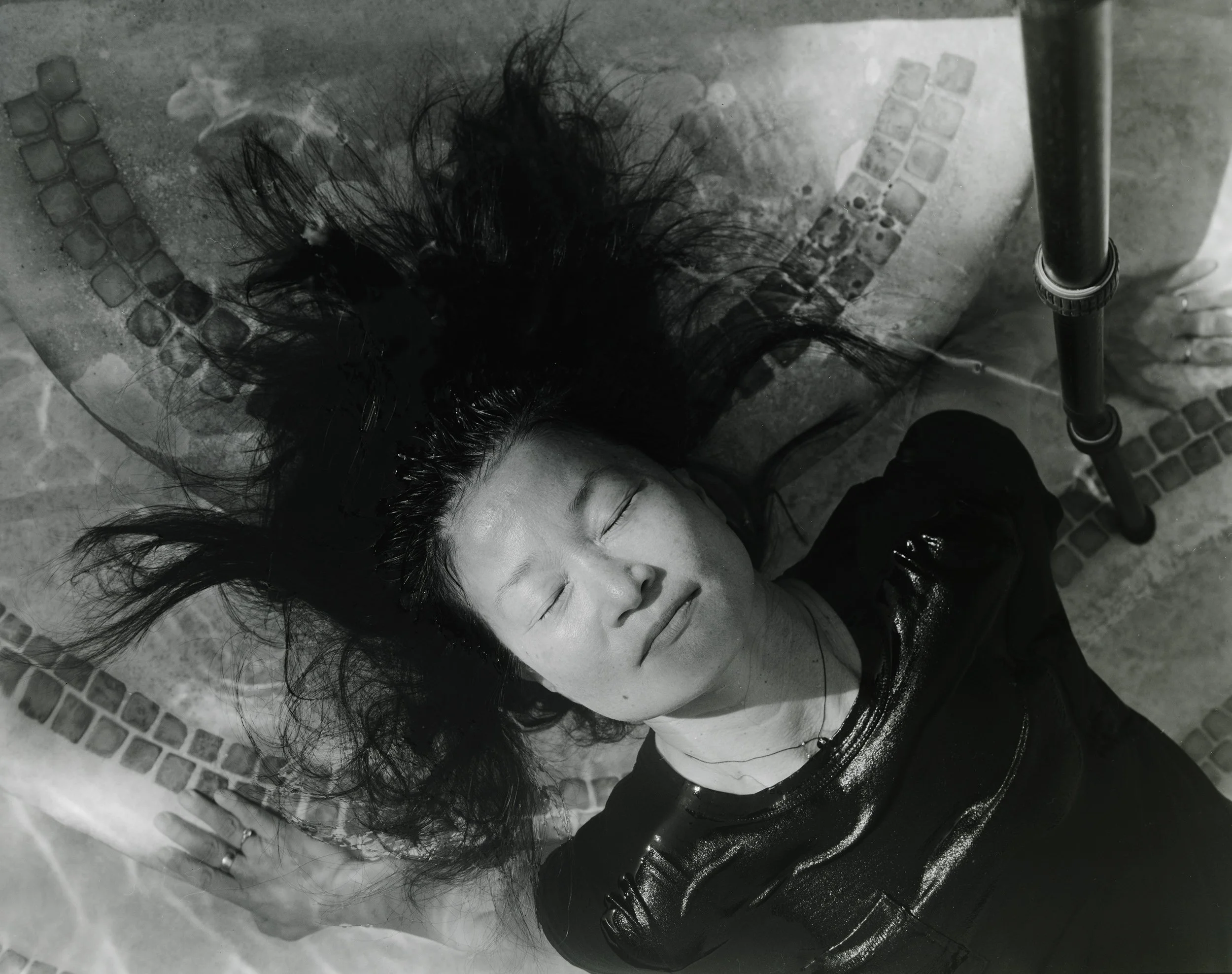
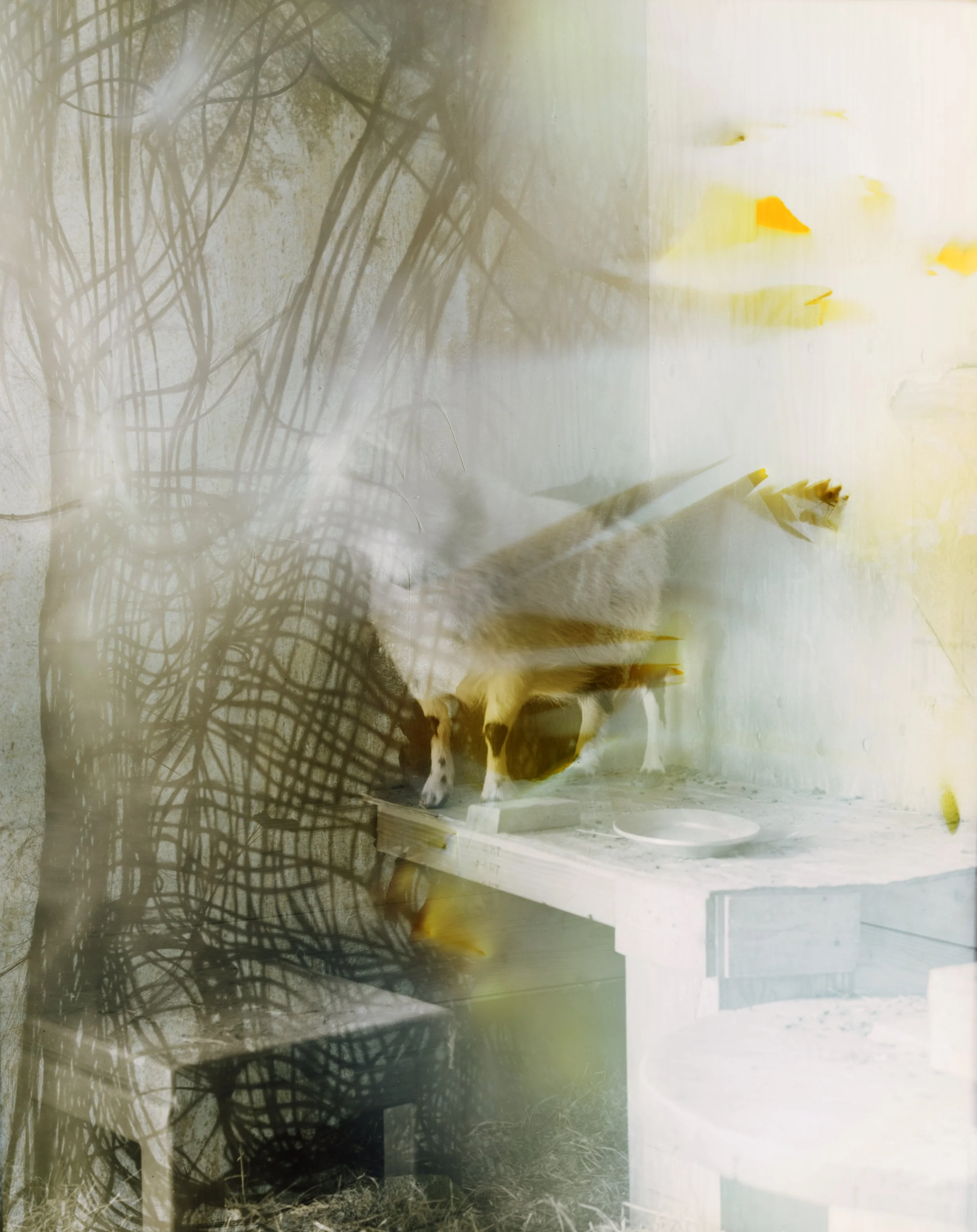
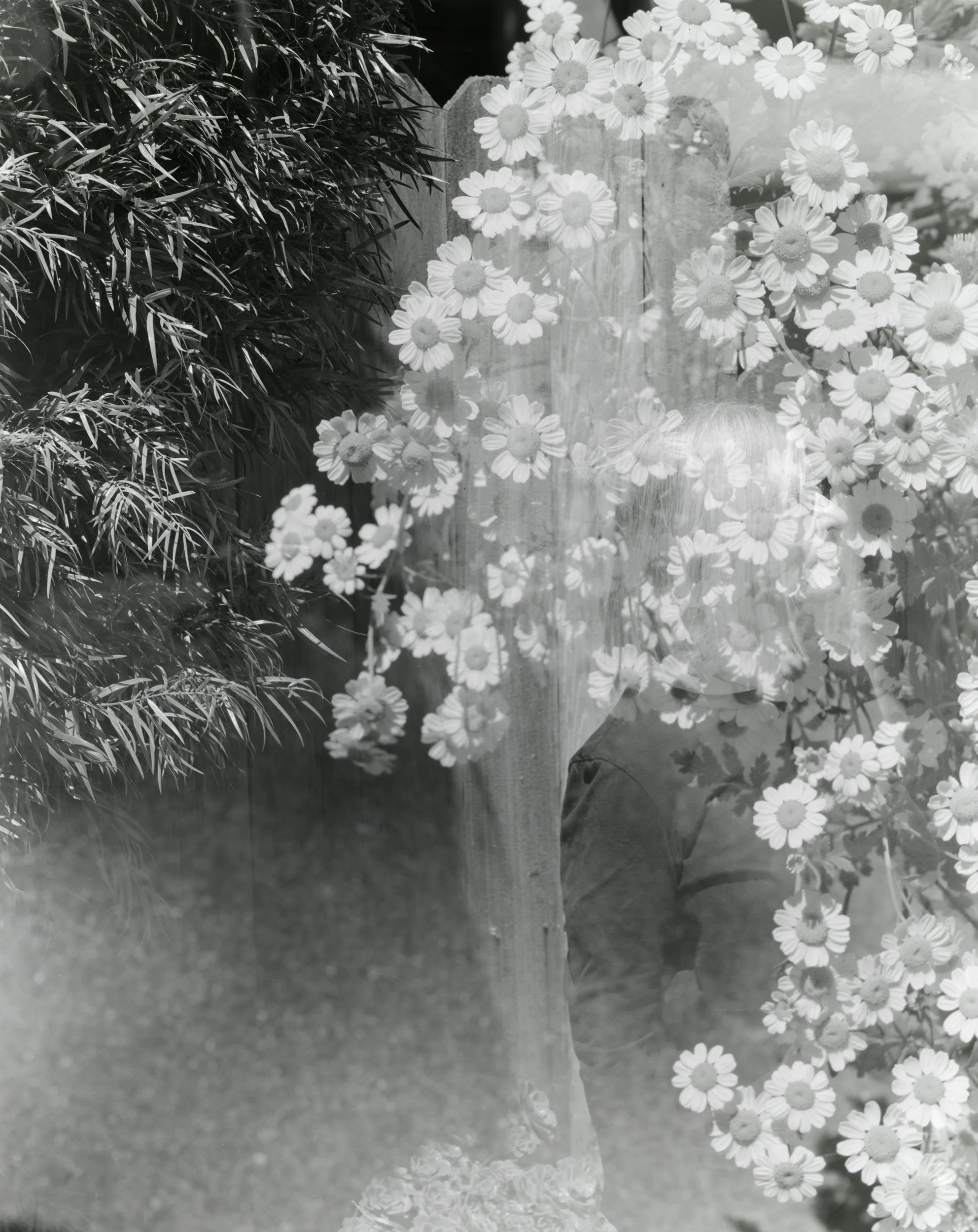
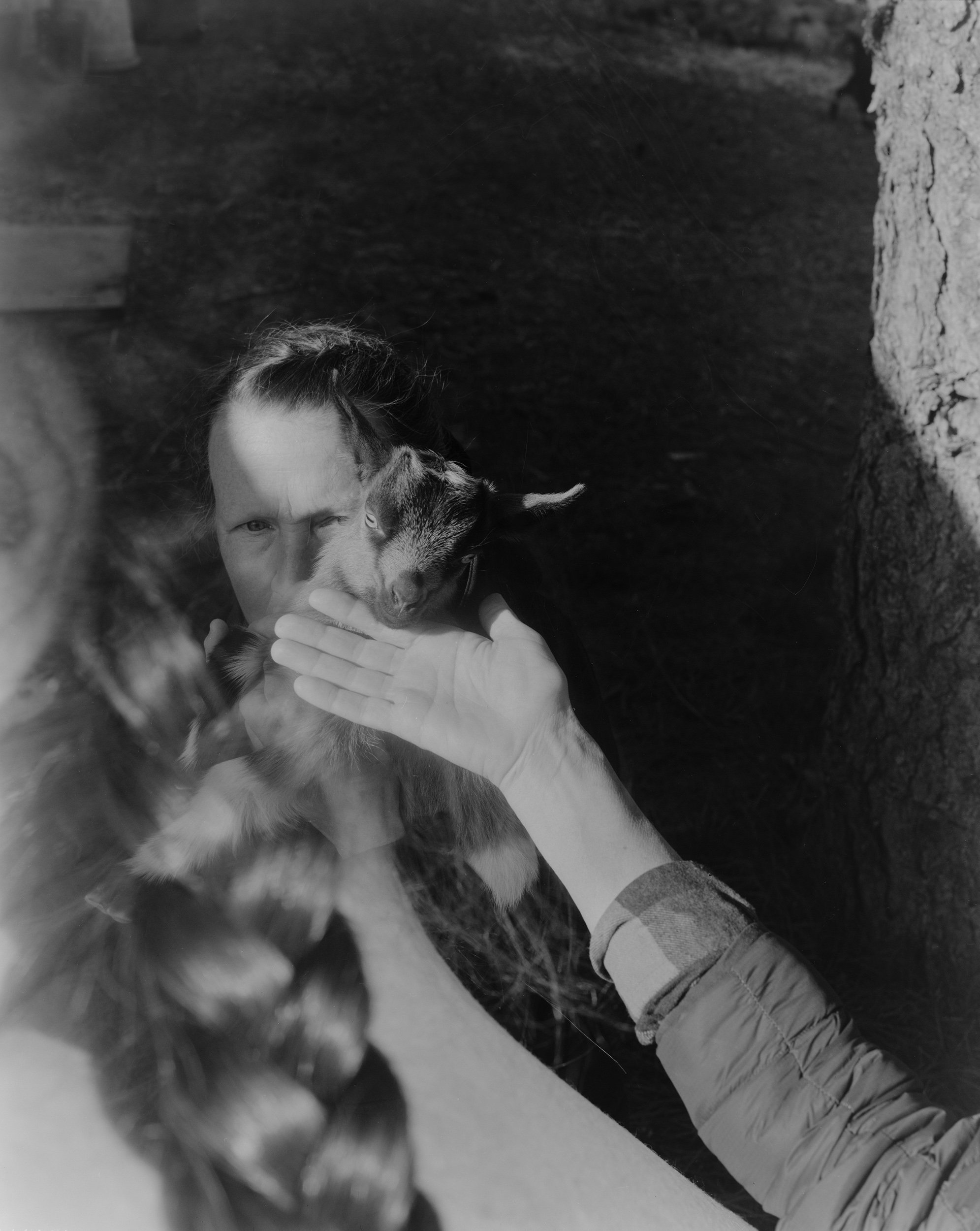
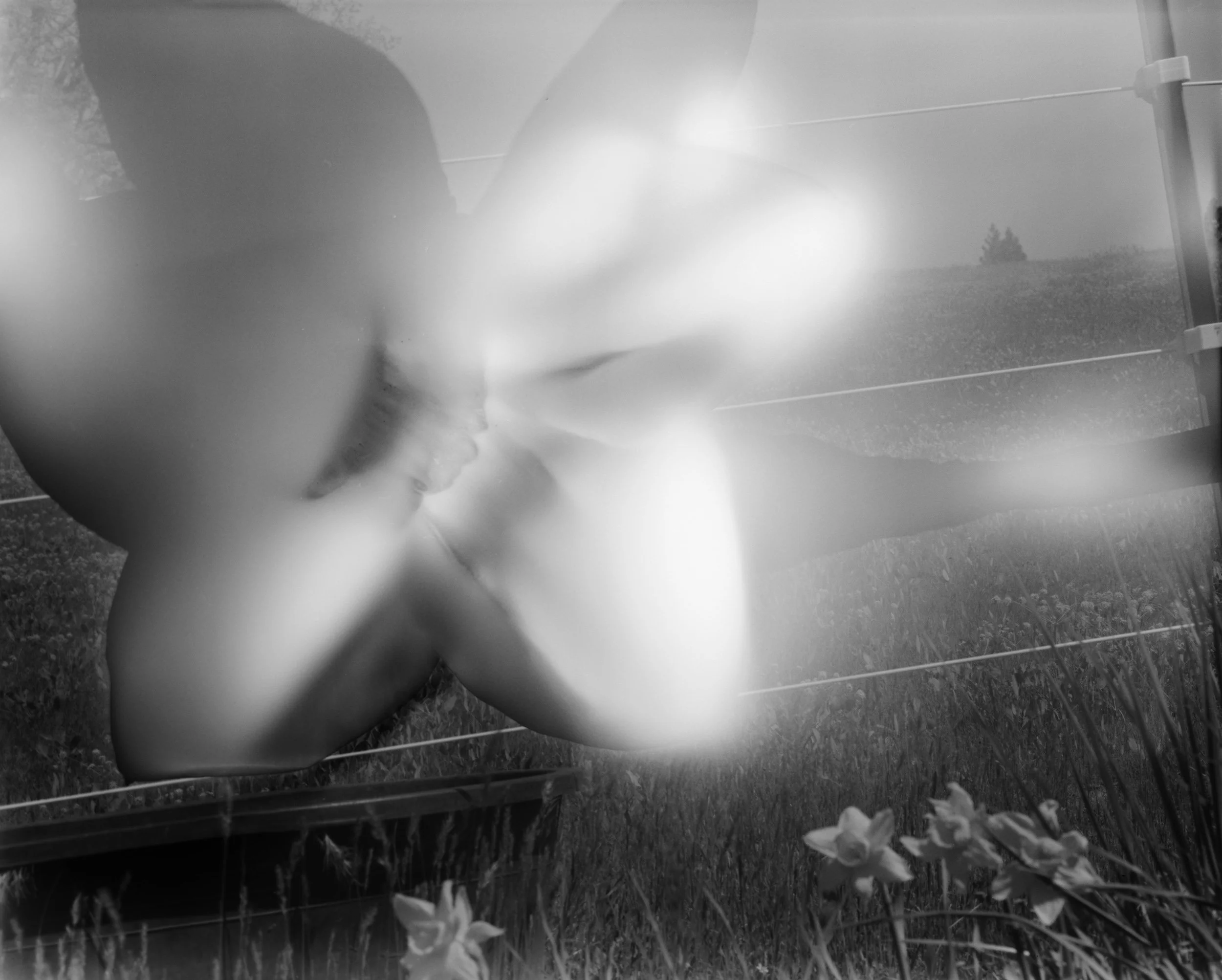
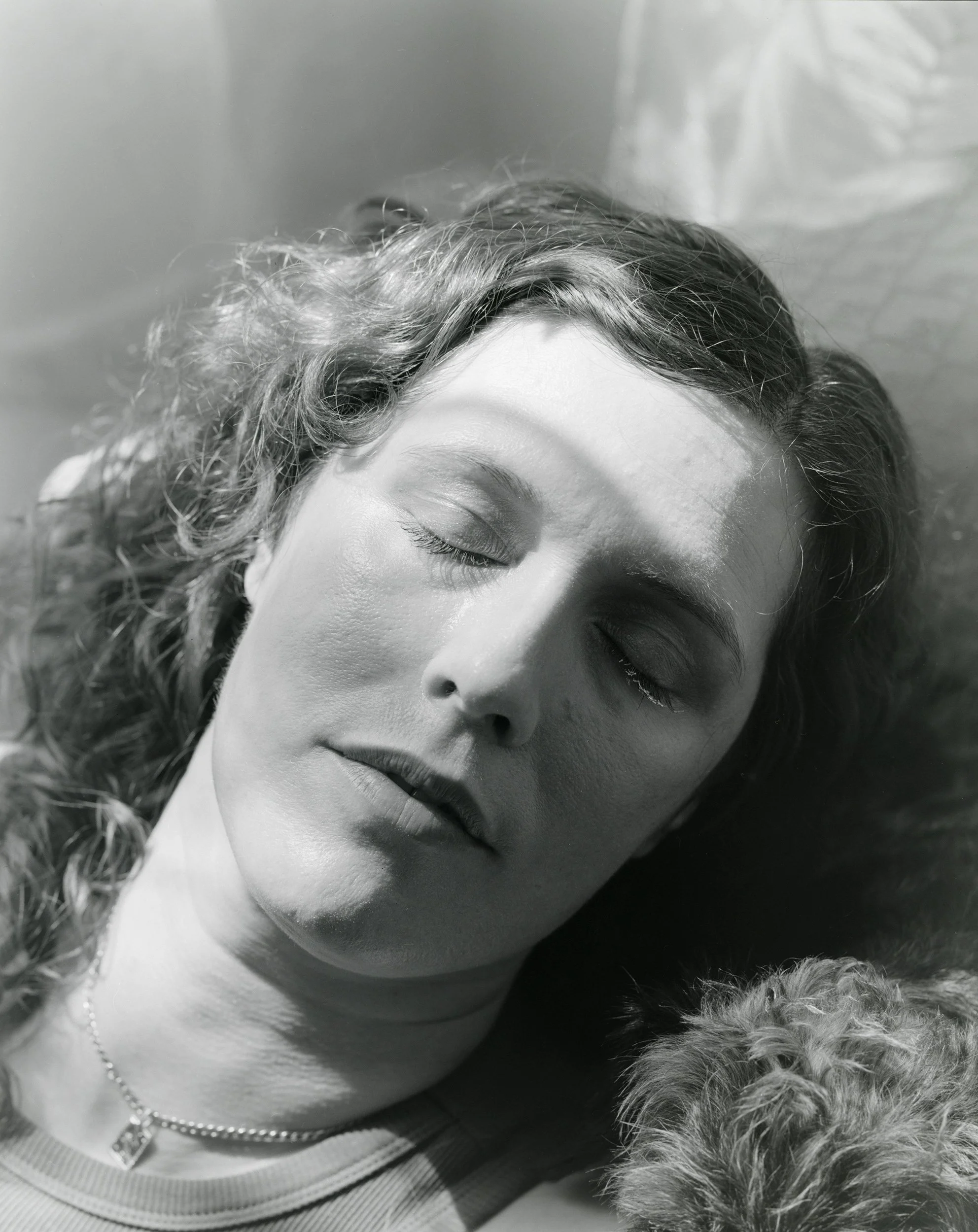
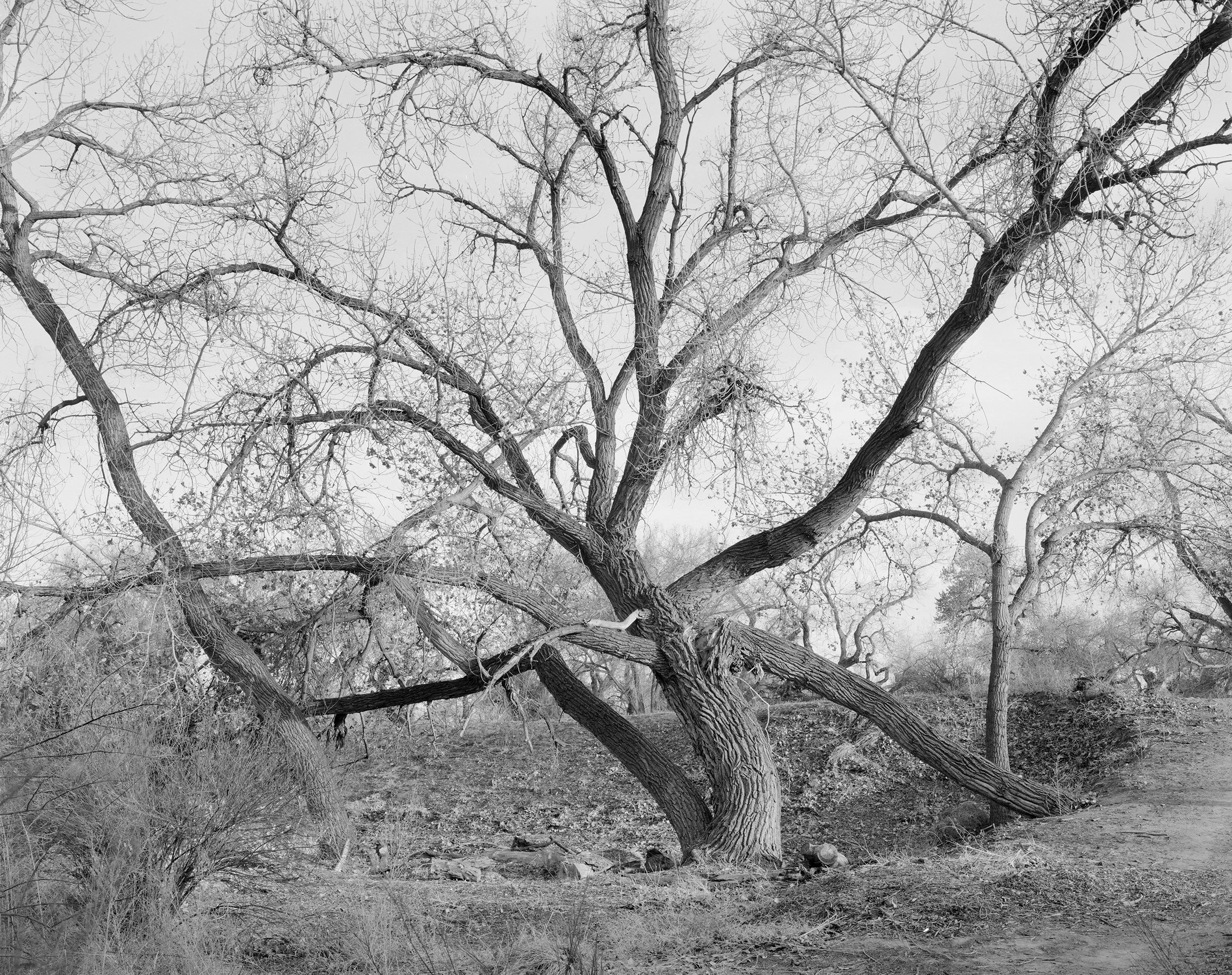
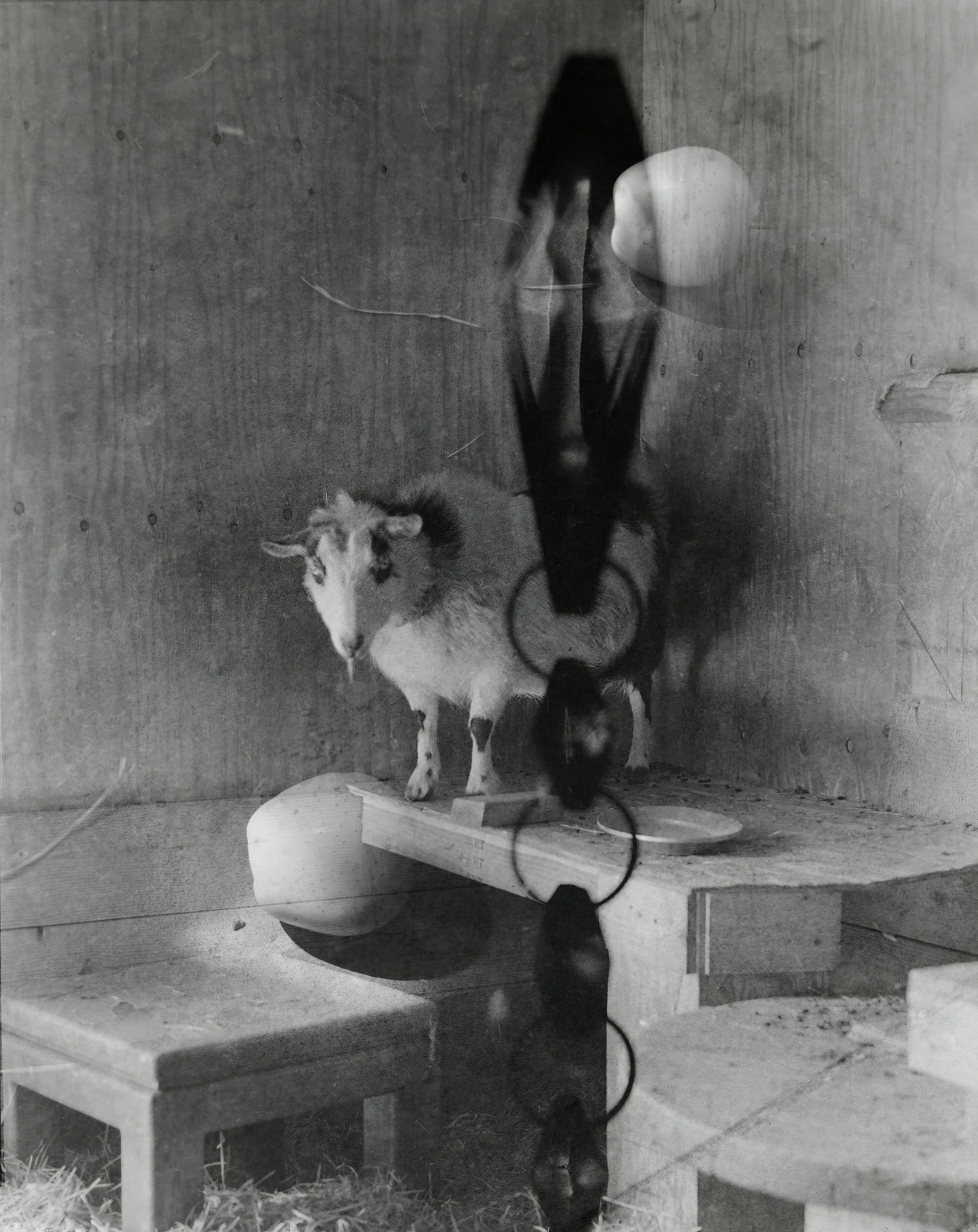
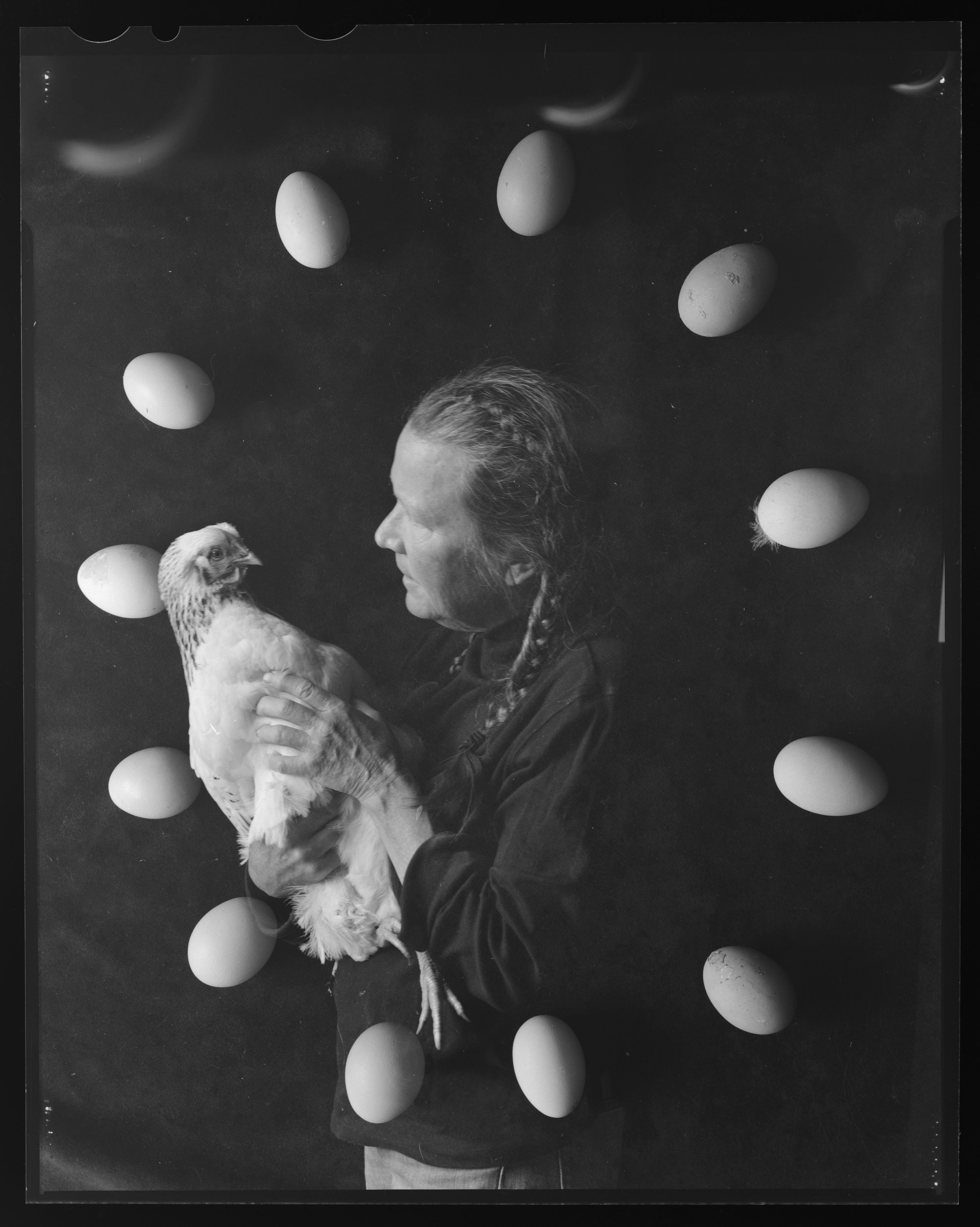
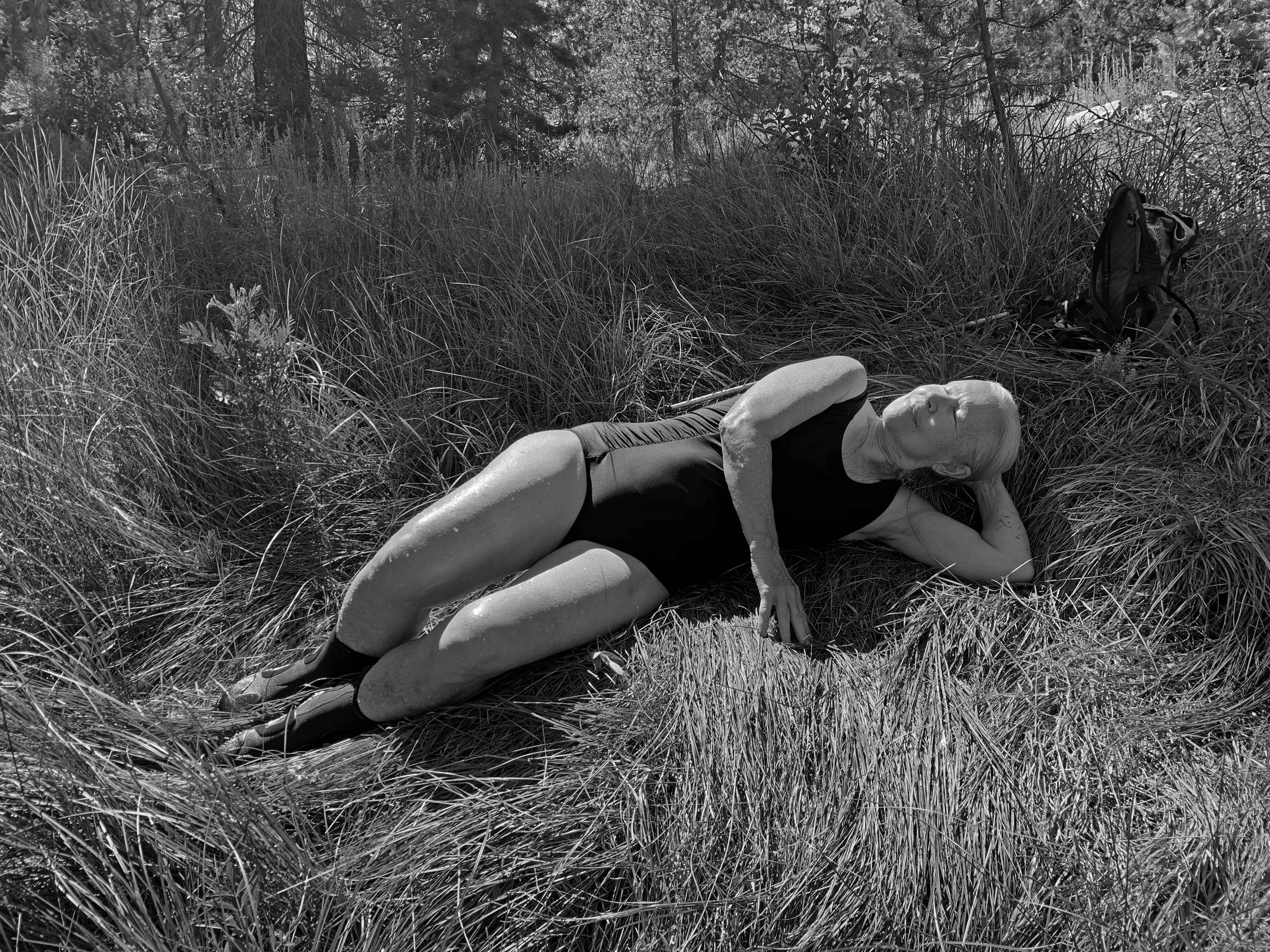
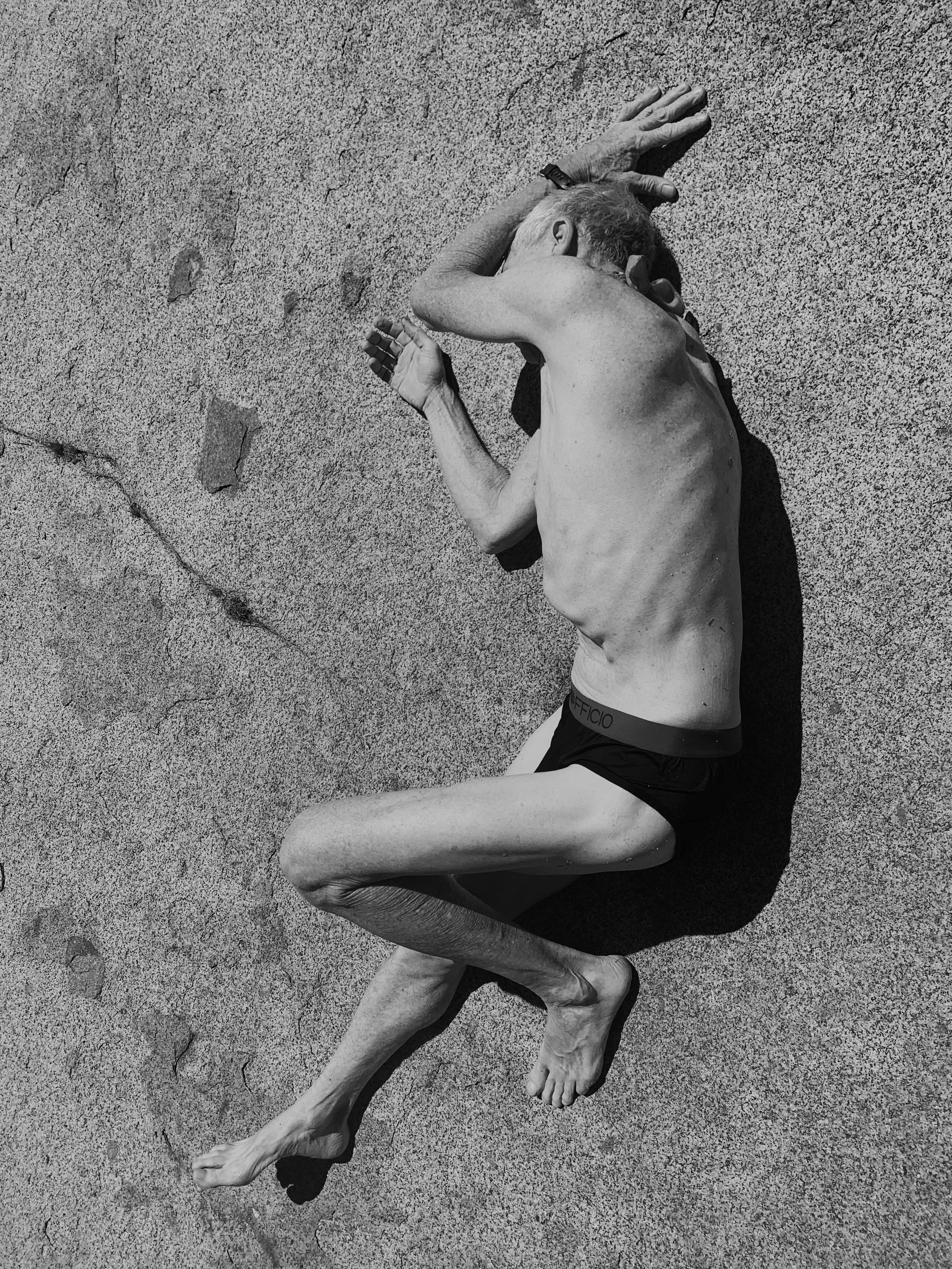
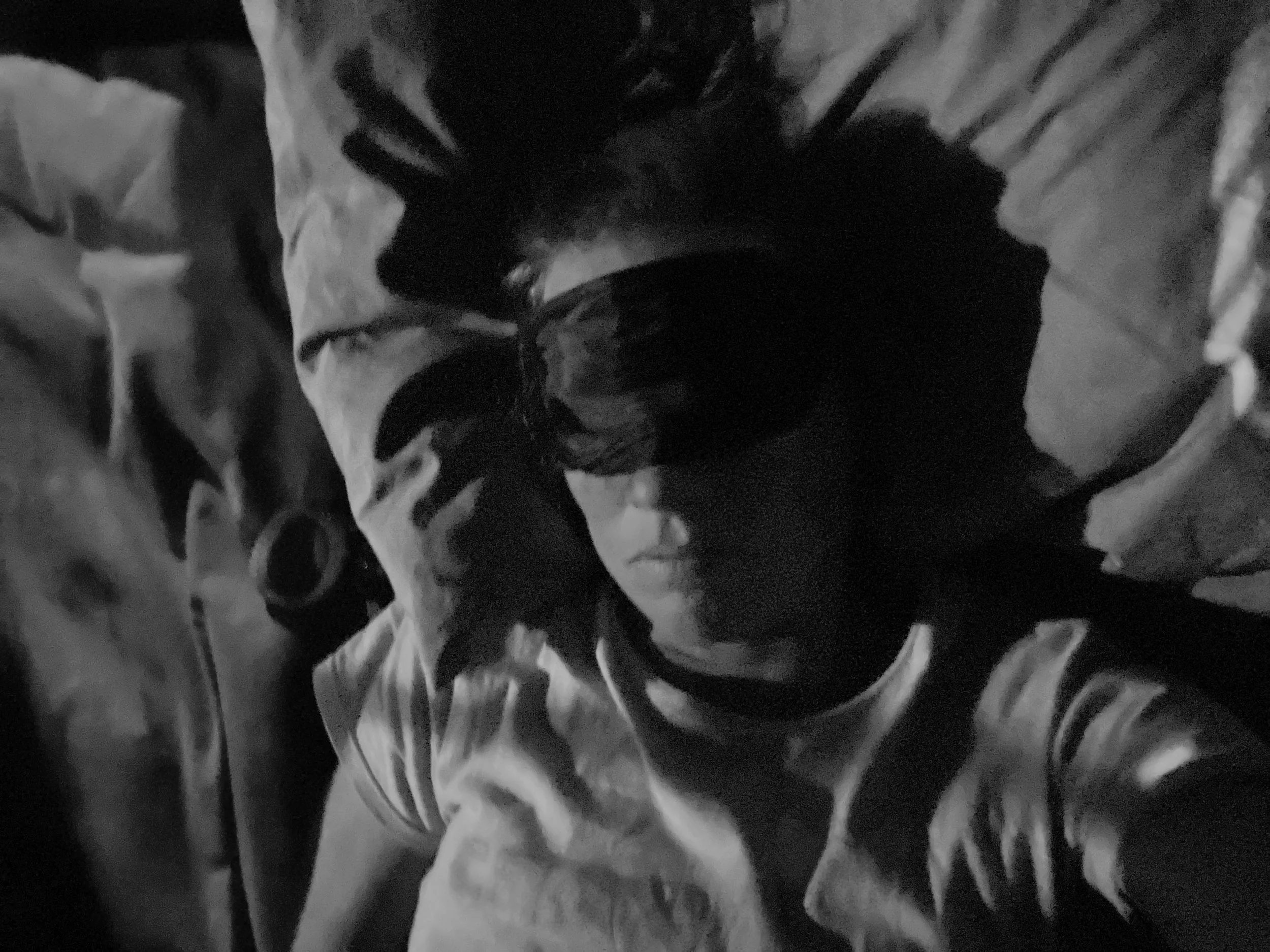
For the past several years, anger has been a generative force in my work. I have used photography to contend with political realities I can't control, with misogynistic social pressures, and with my own aging body.
Anger sharpens my vision. It is a shot of adrenalin I can channel into physical expression. But anger also narrows my vision, turning it inward and providing shelter from the vulnerability that arises in relationships with other people.
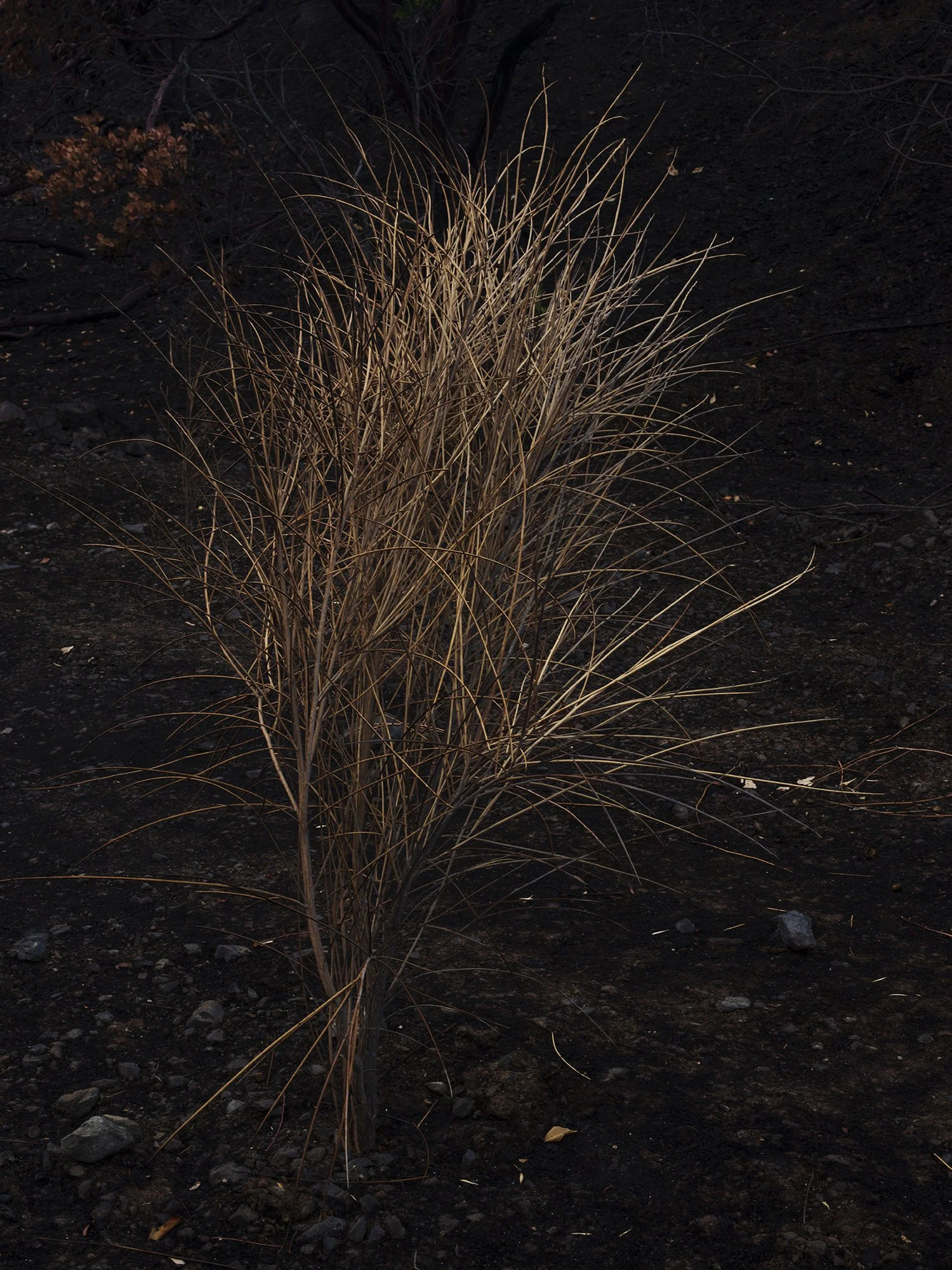
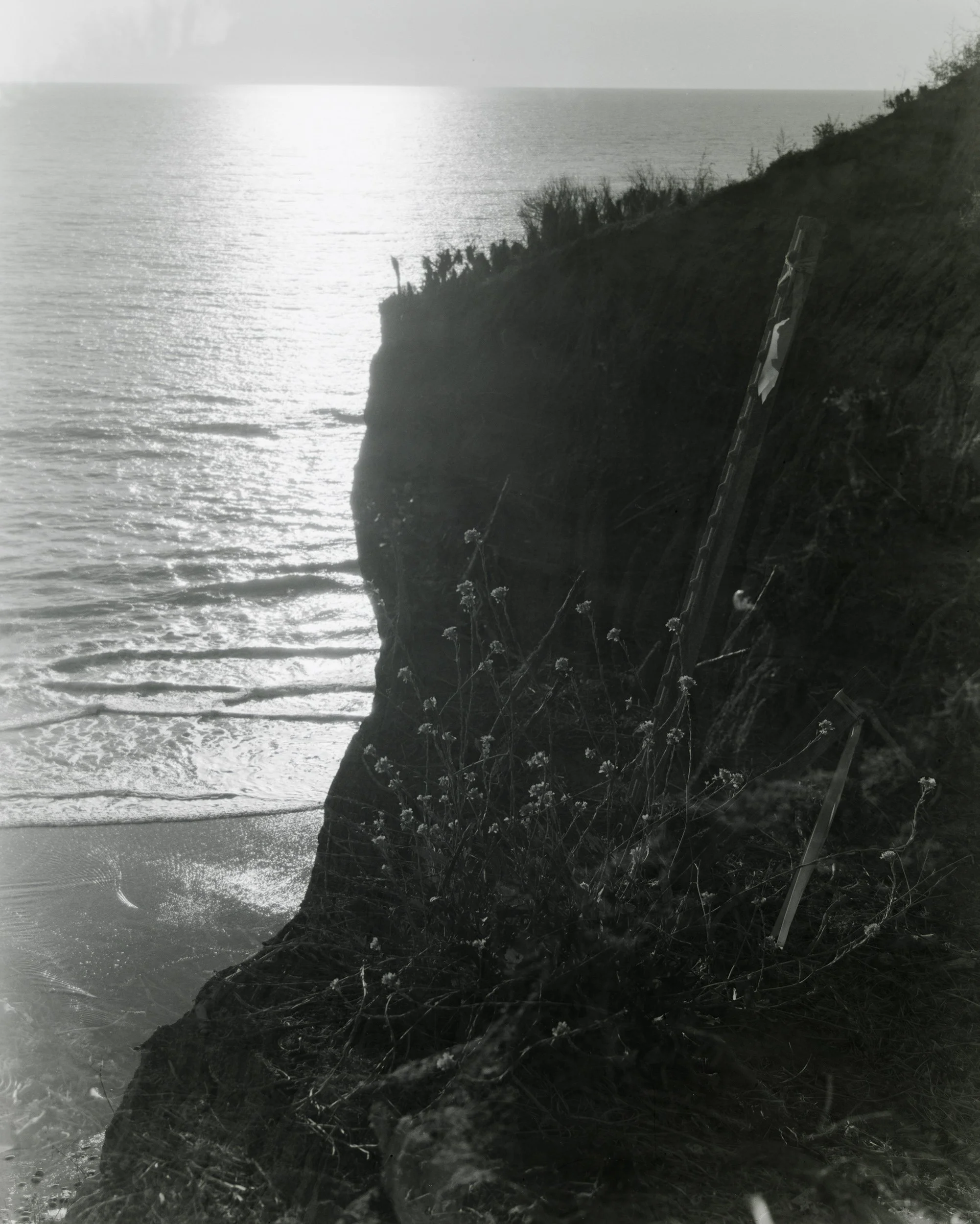
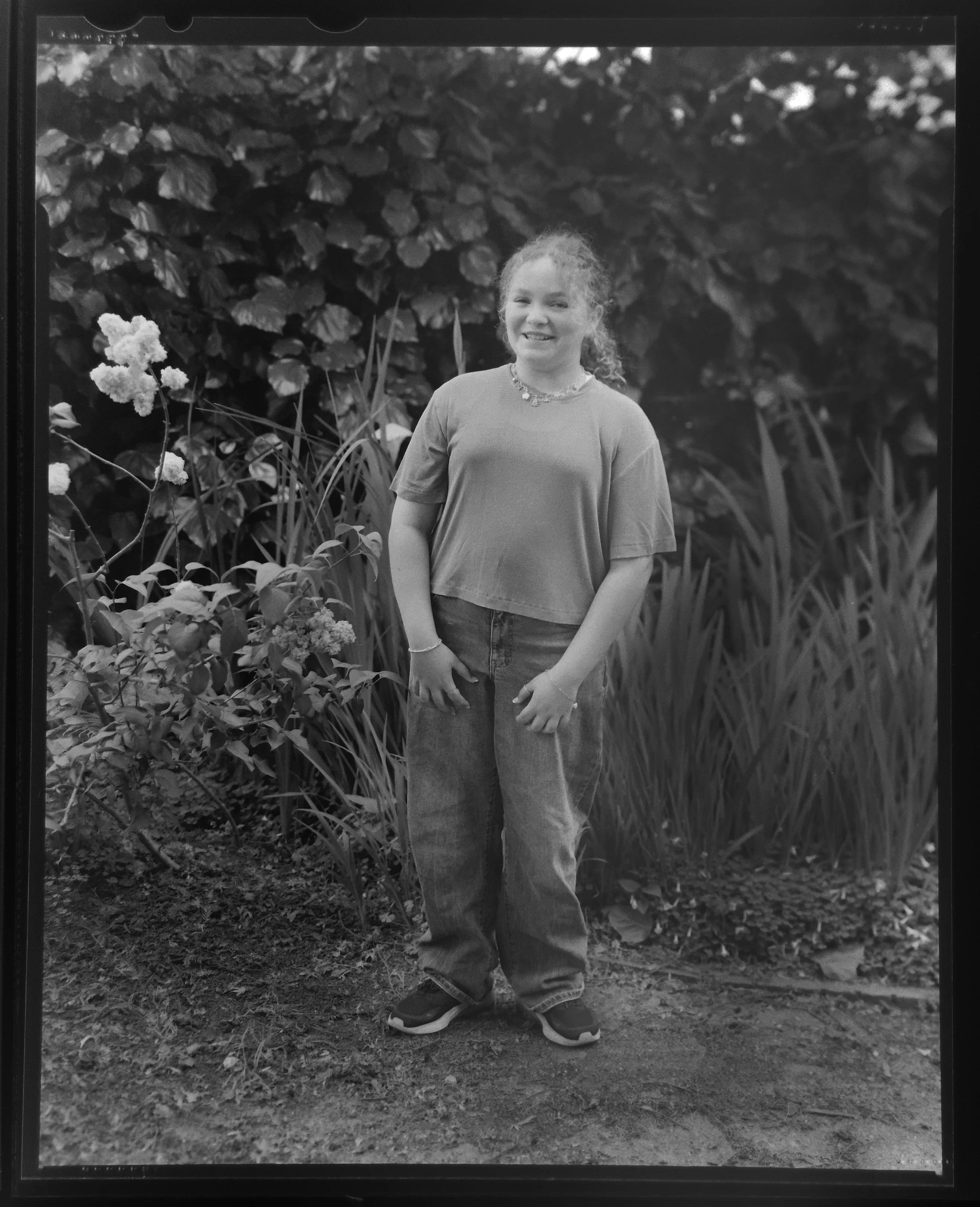
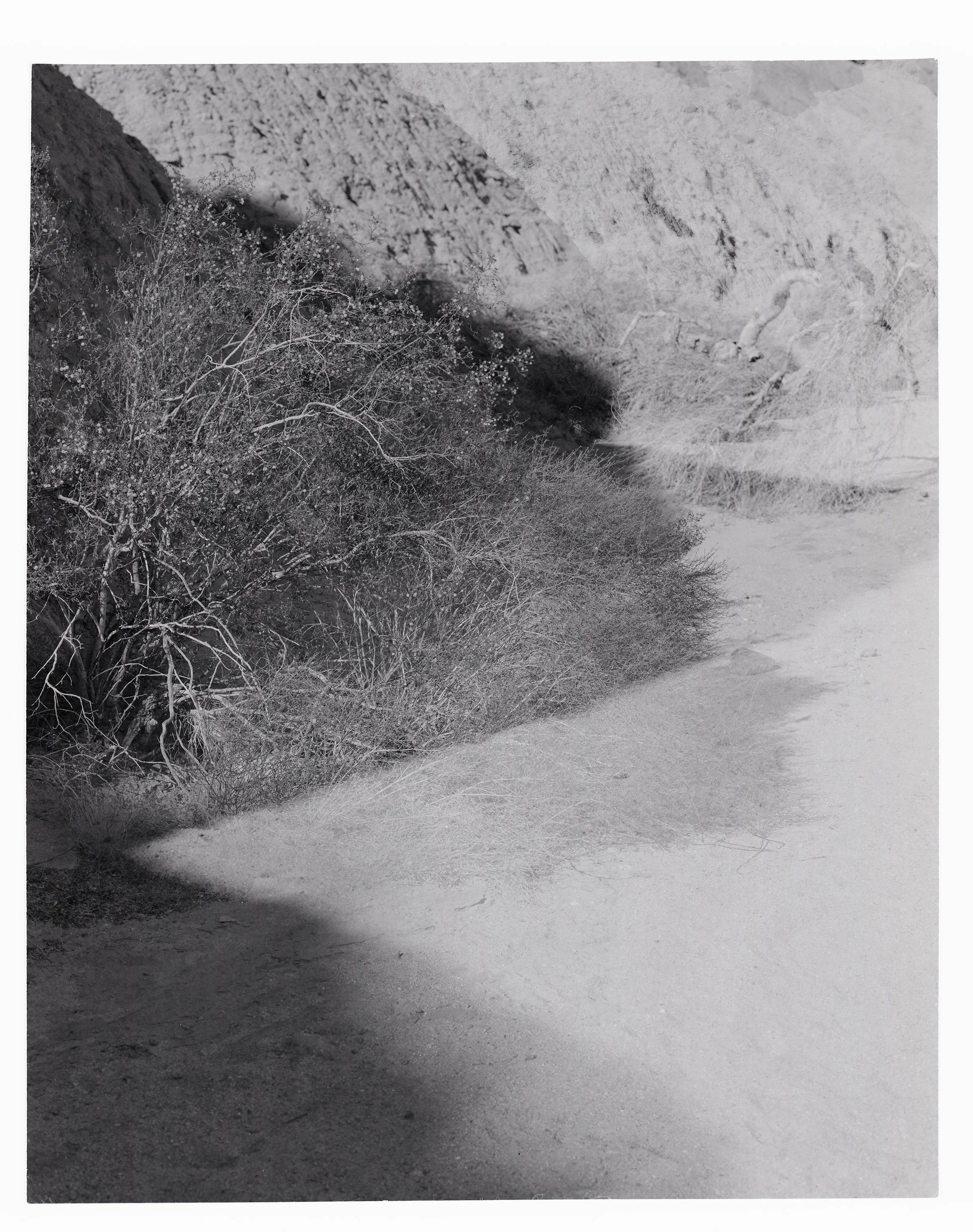
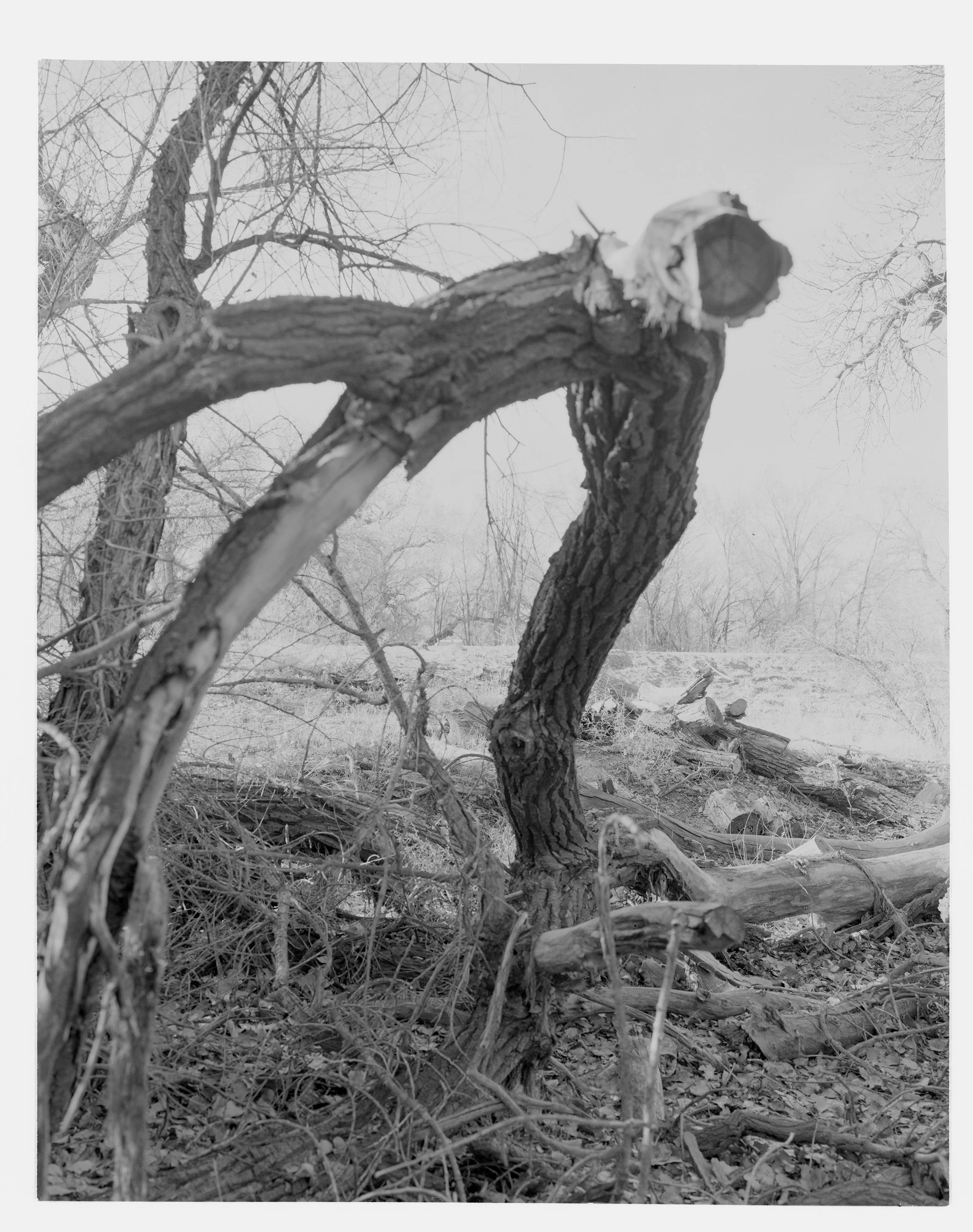
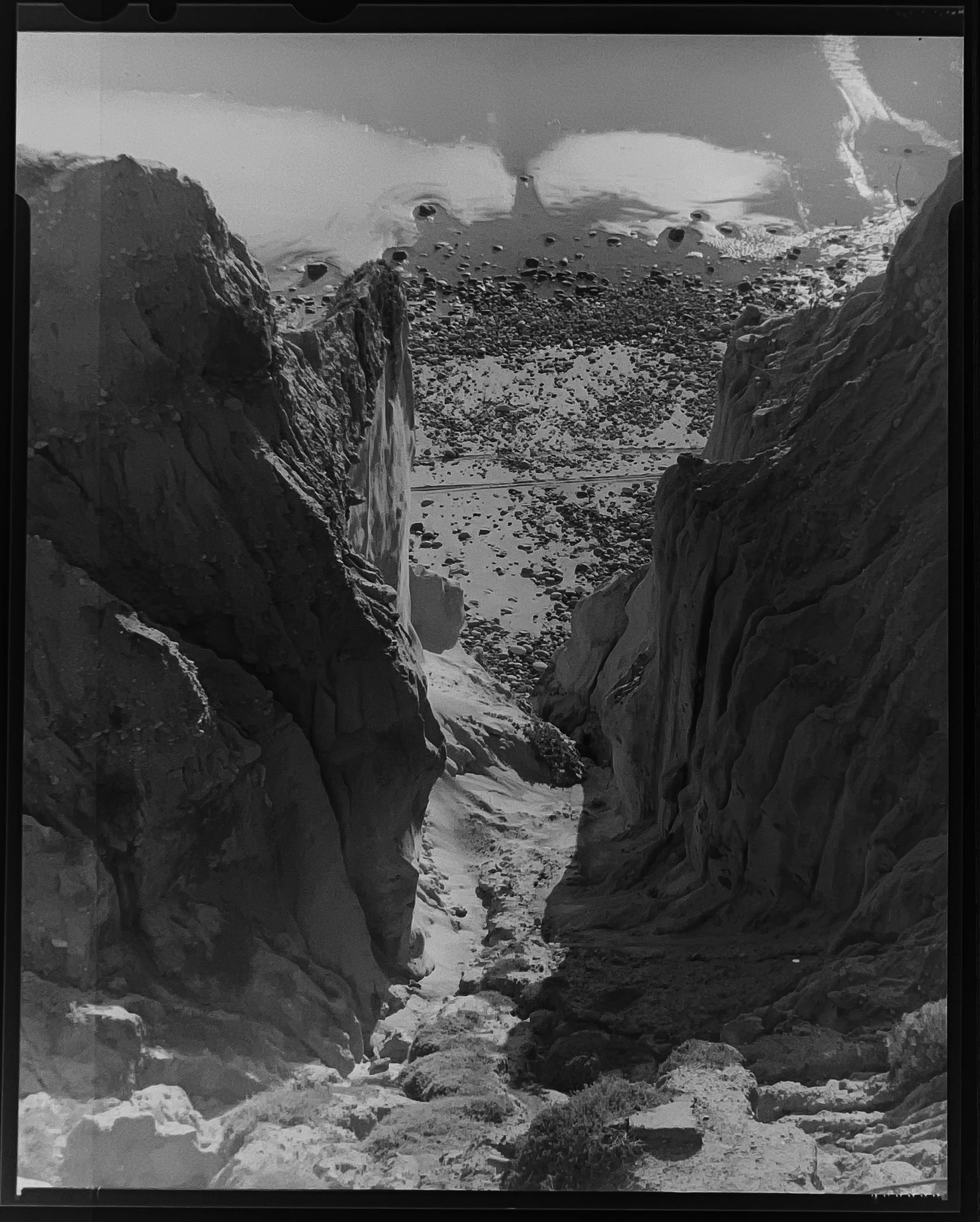
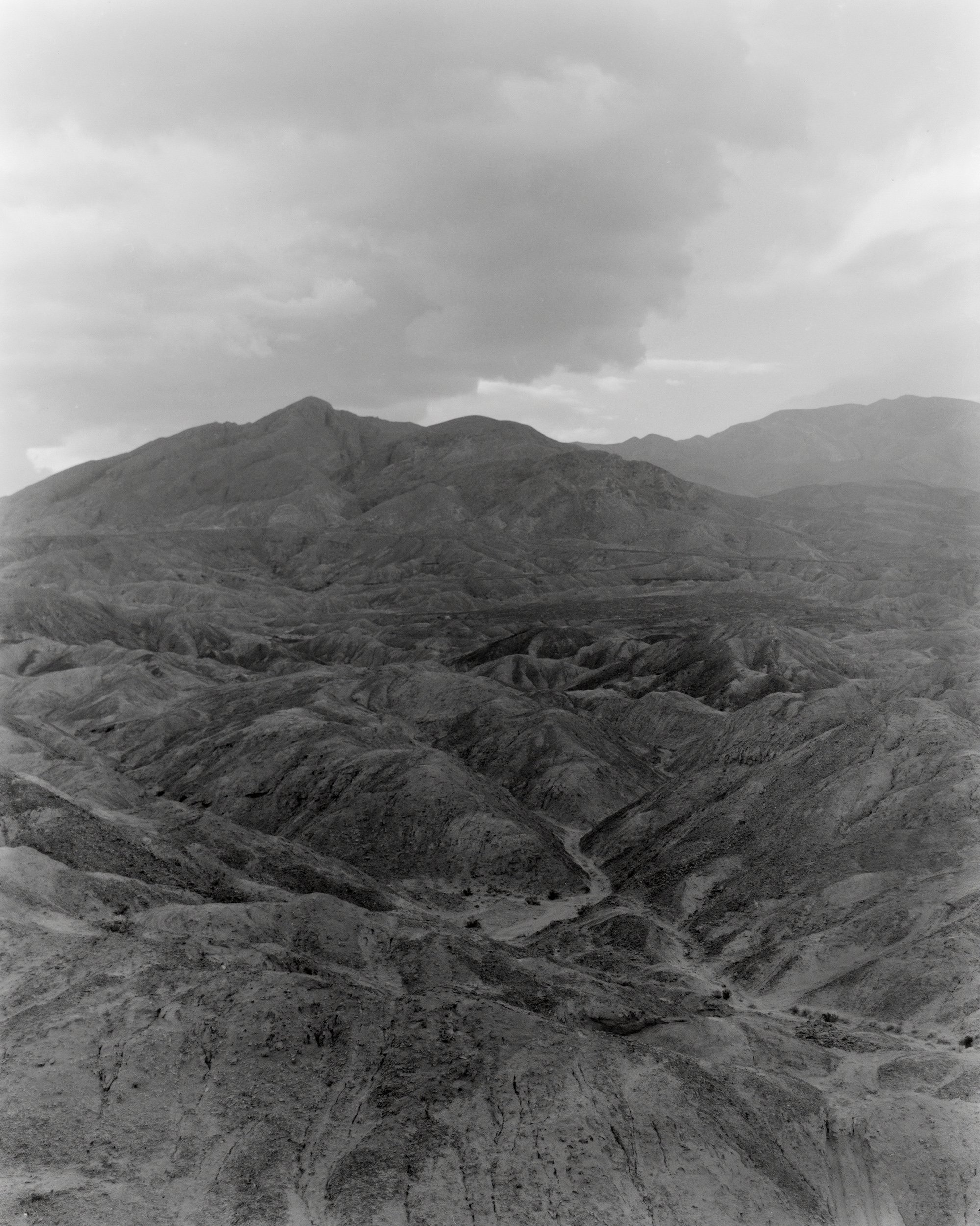
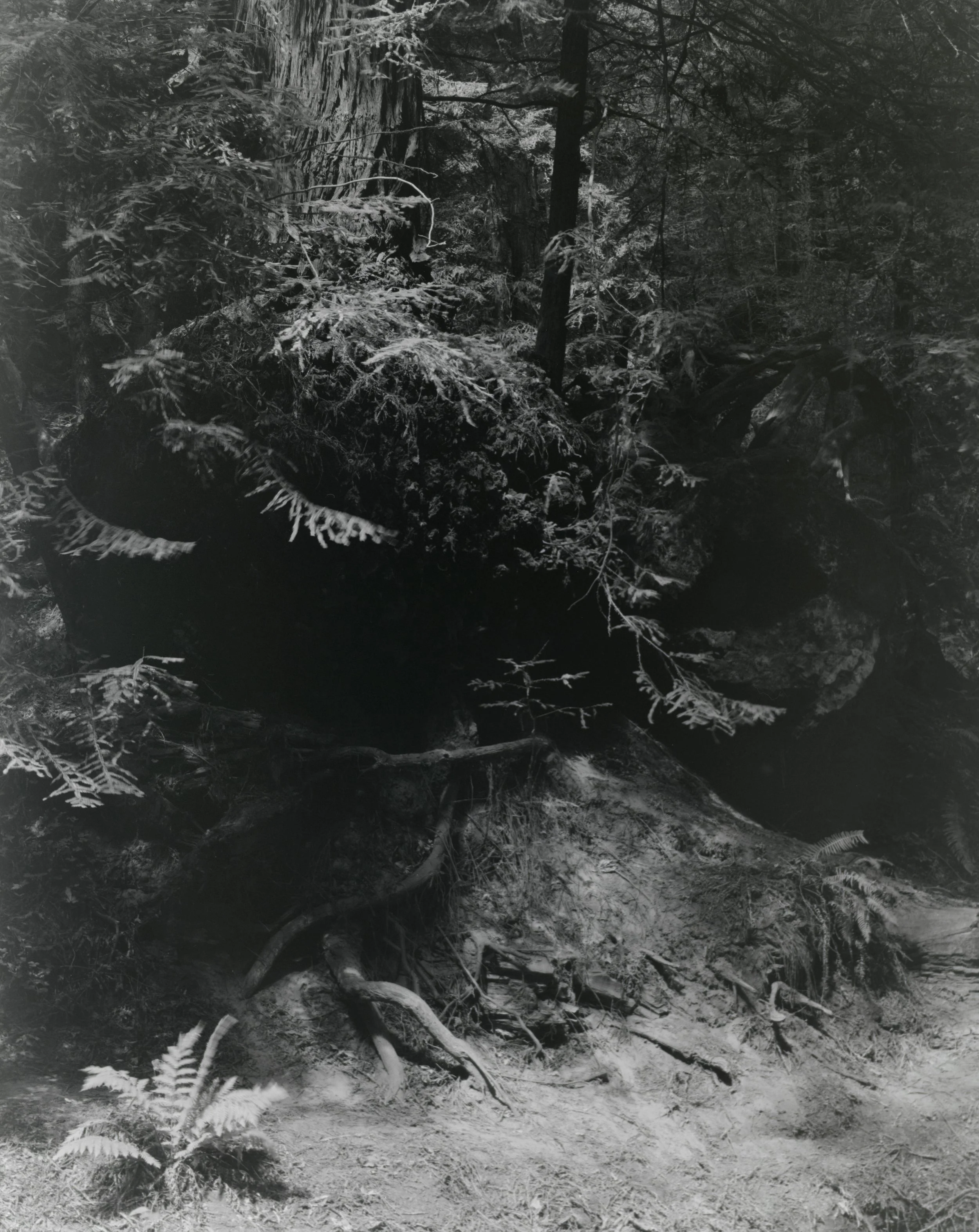
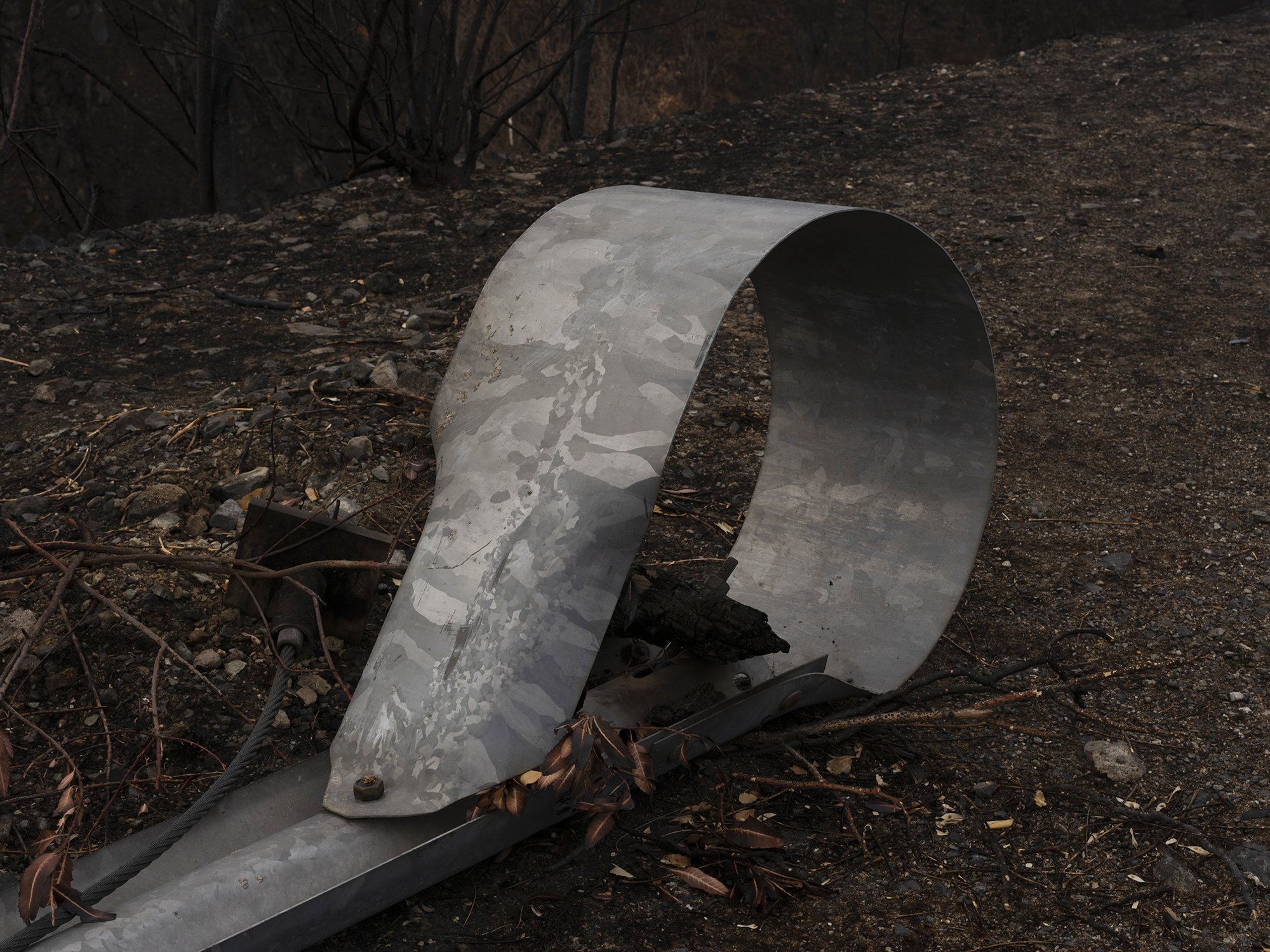
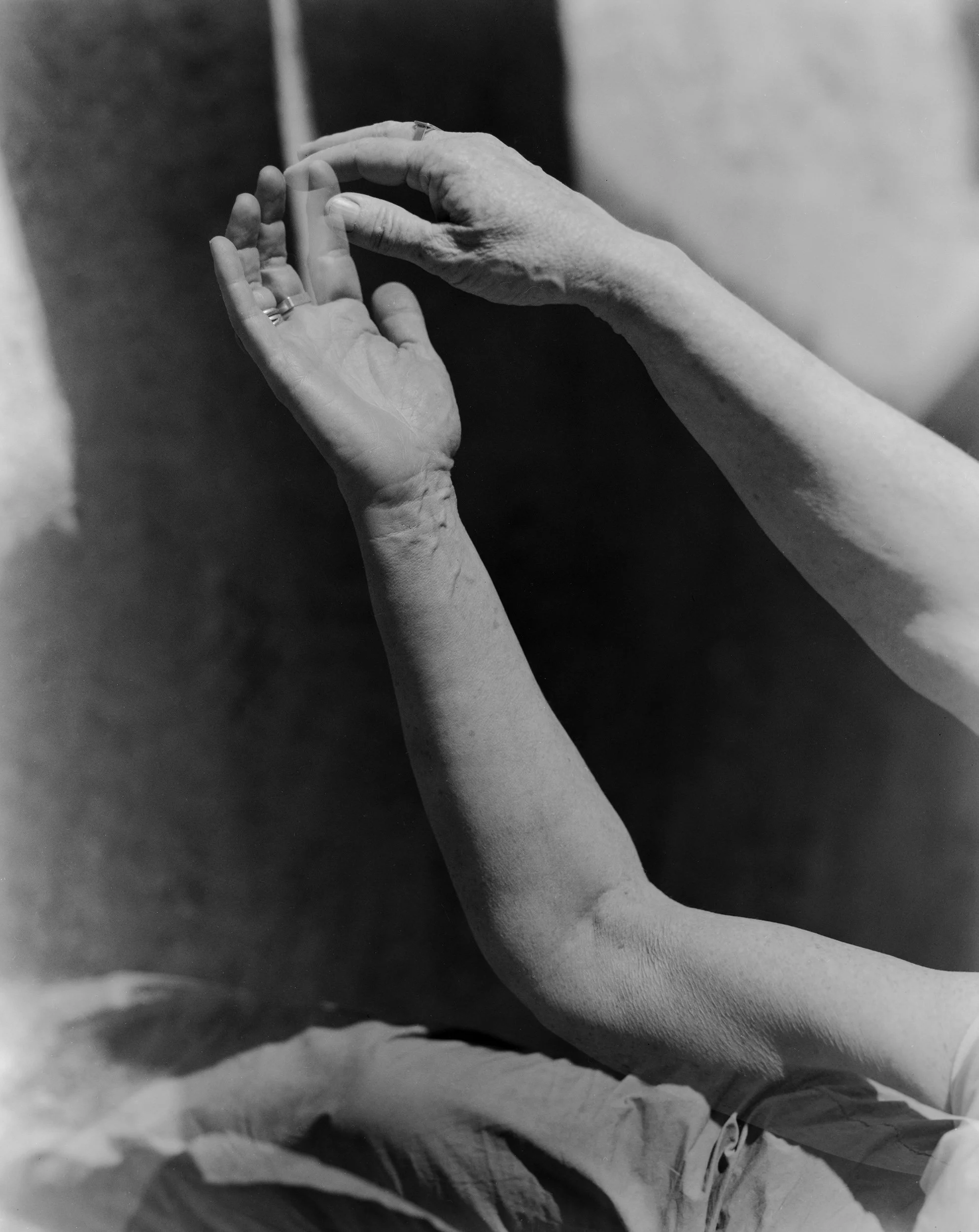
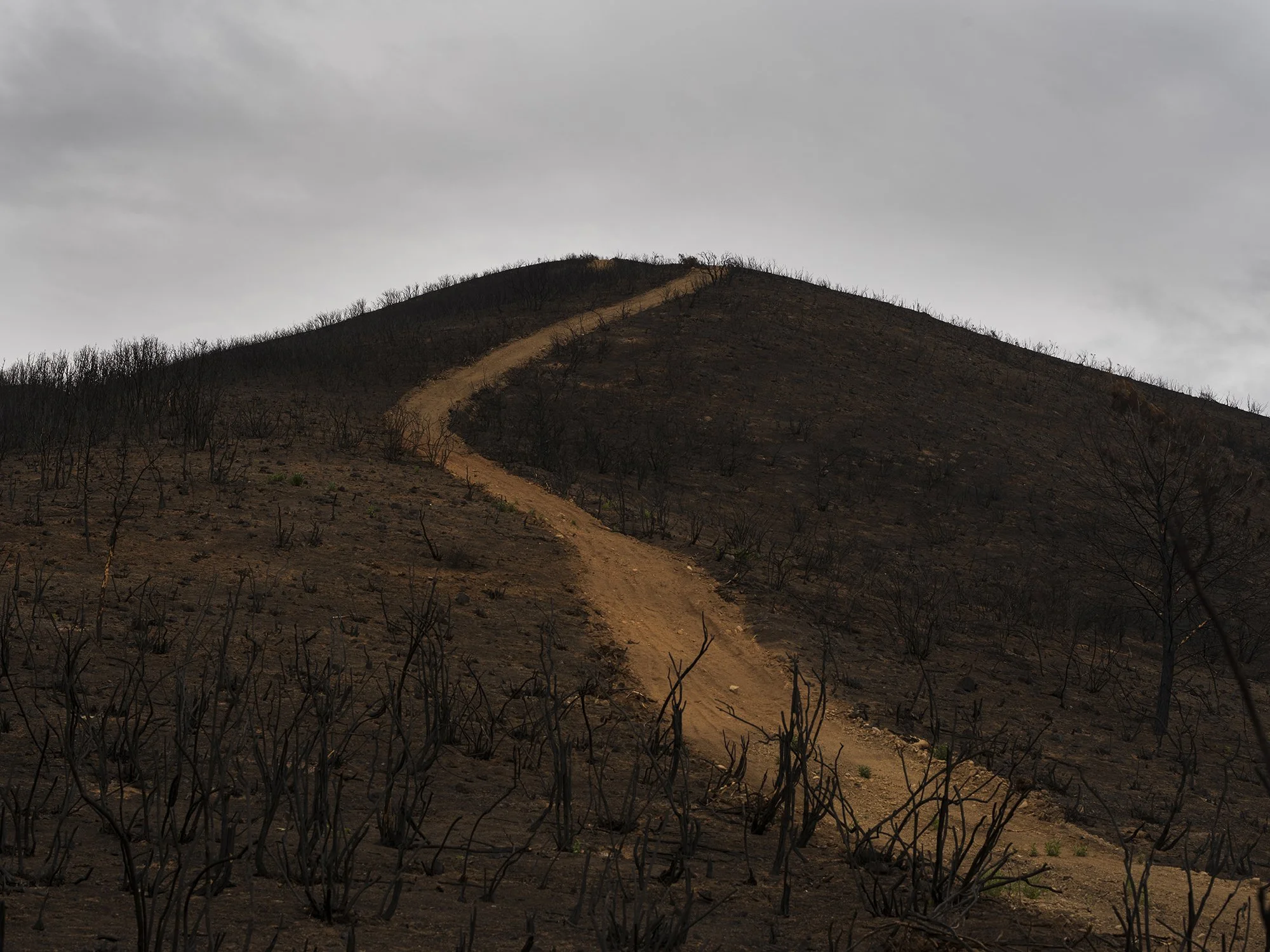
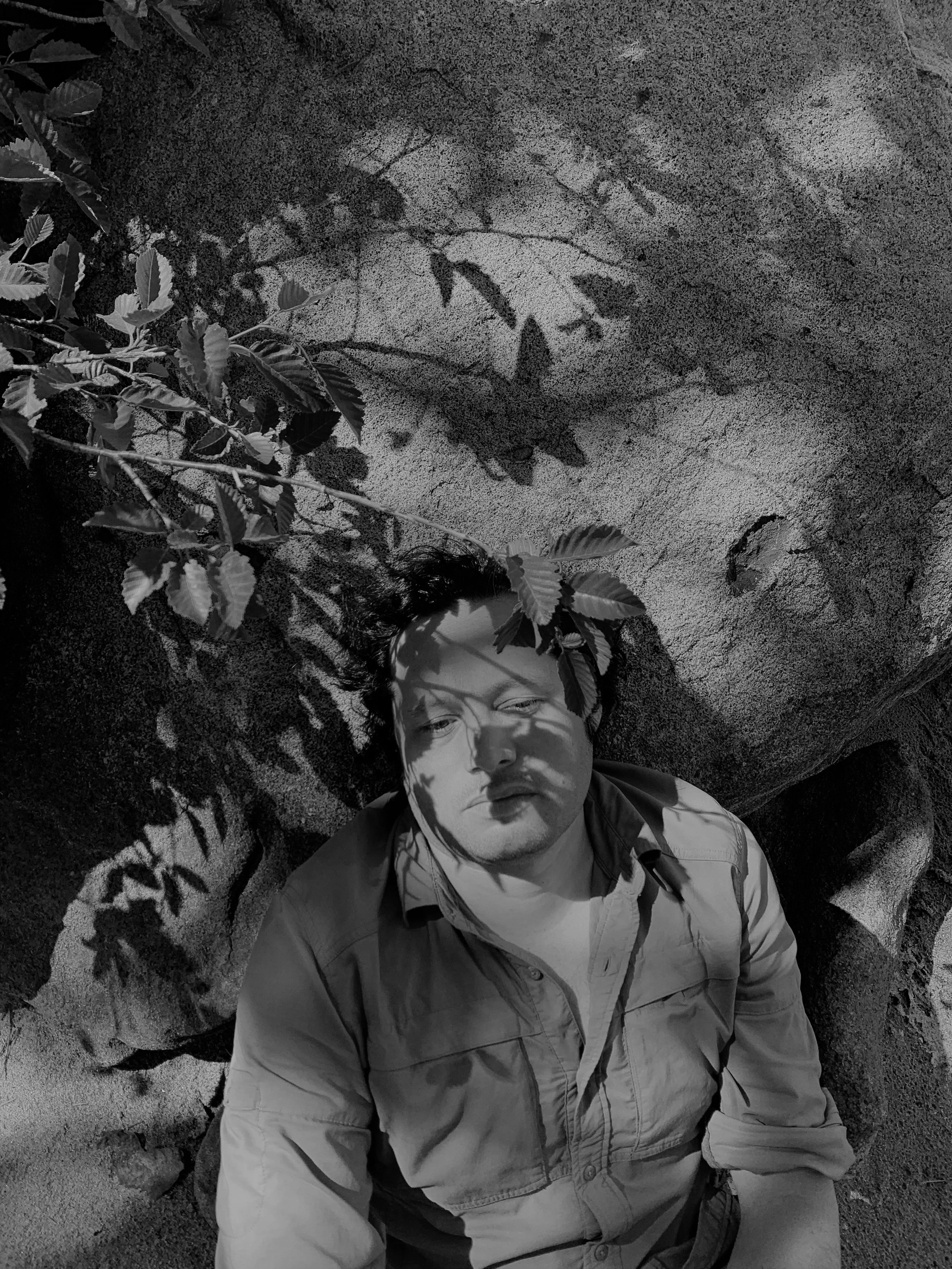
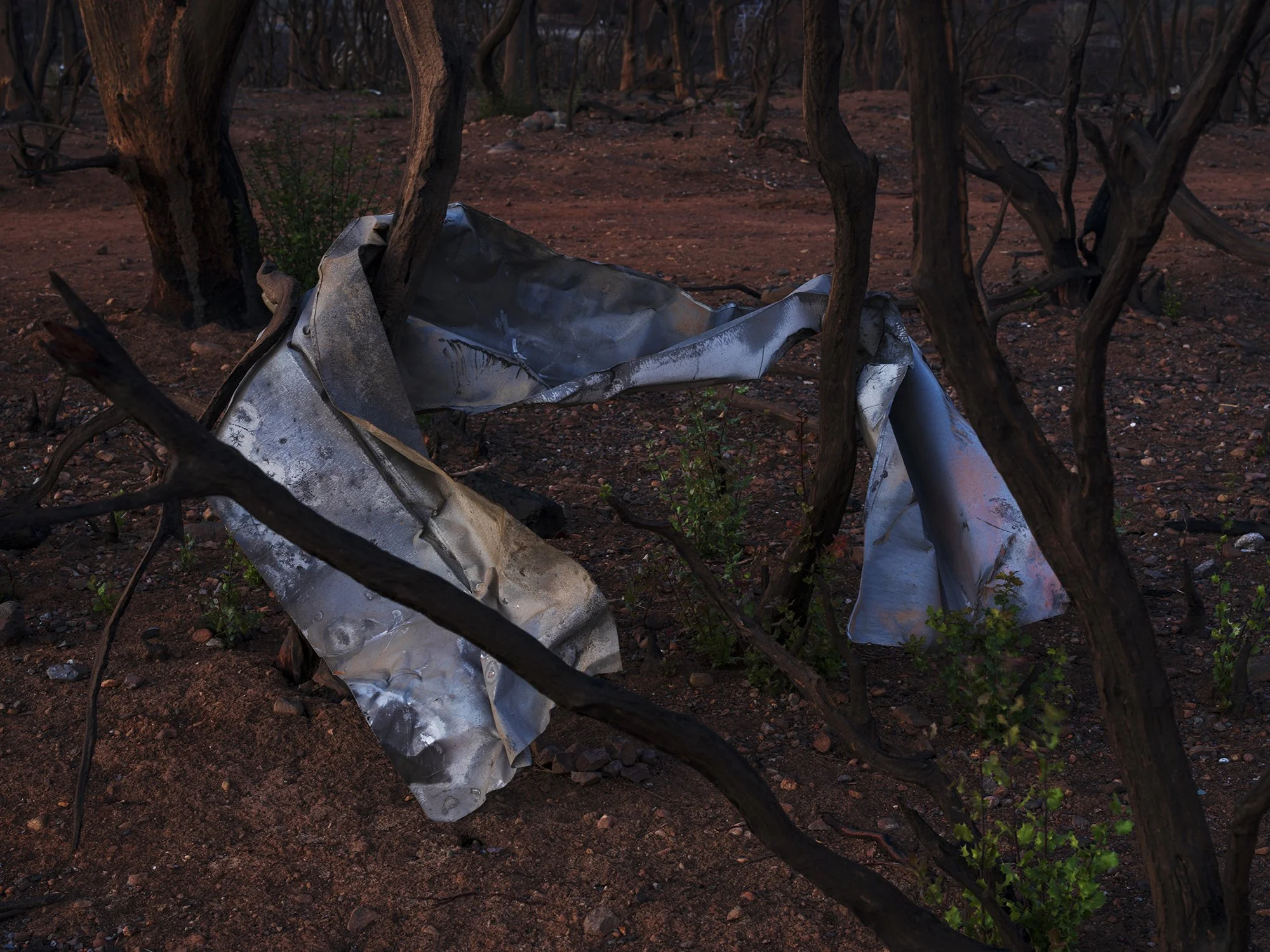
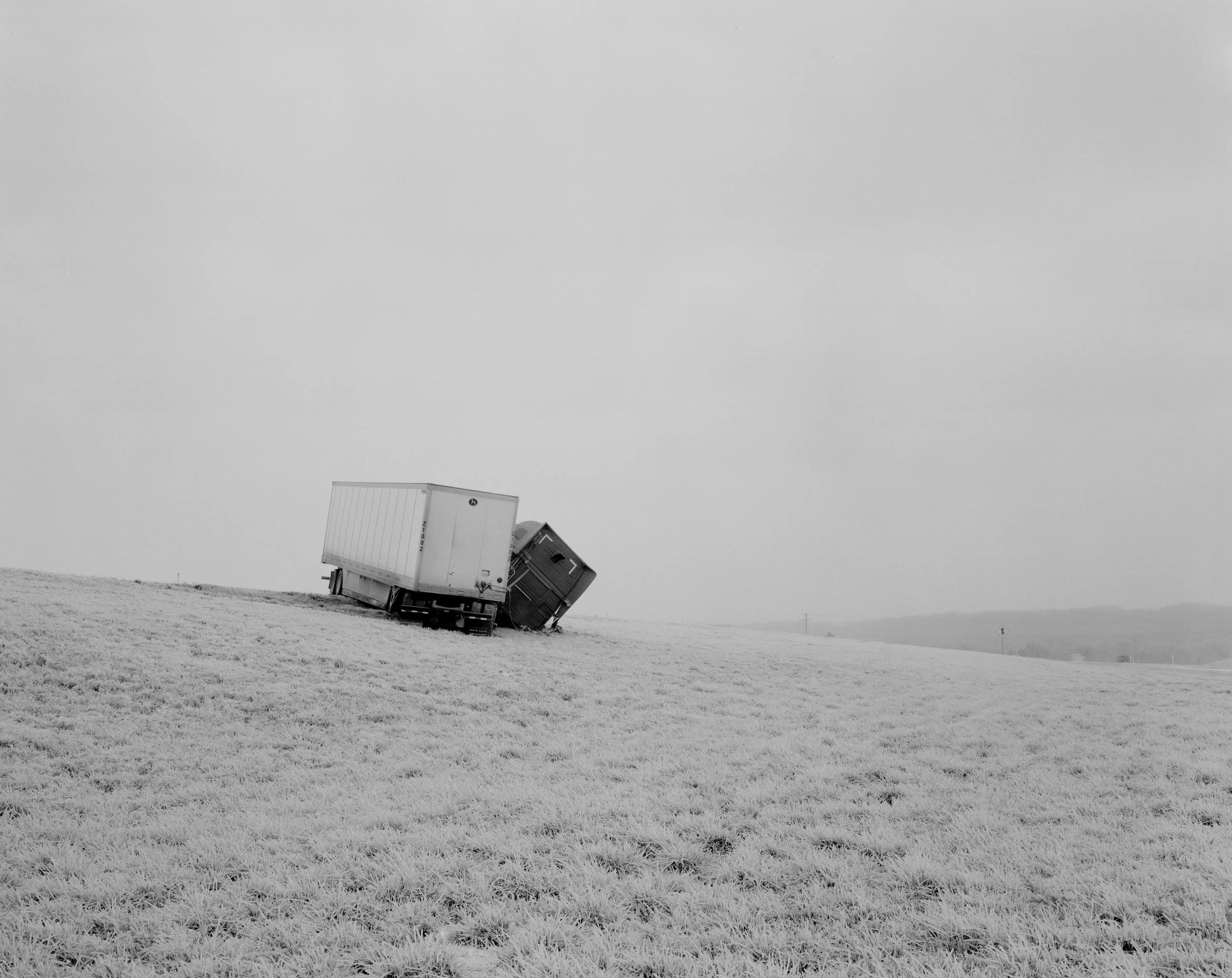
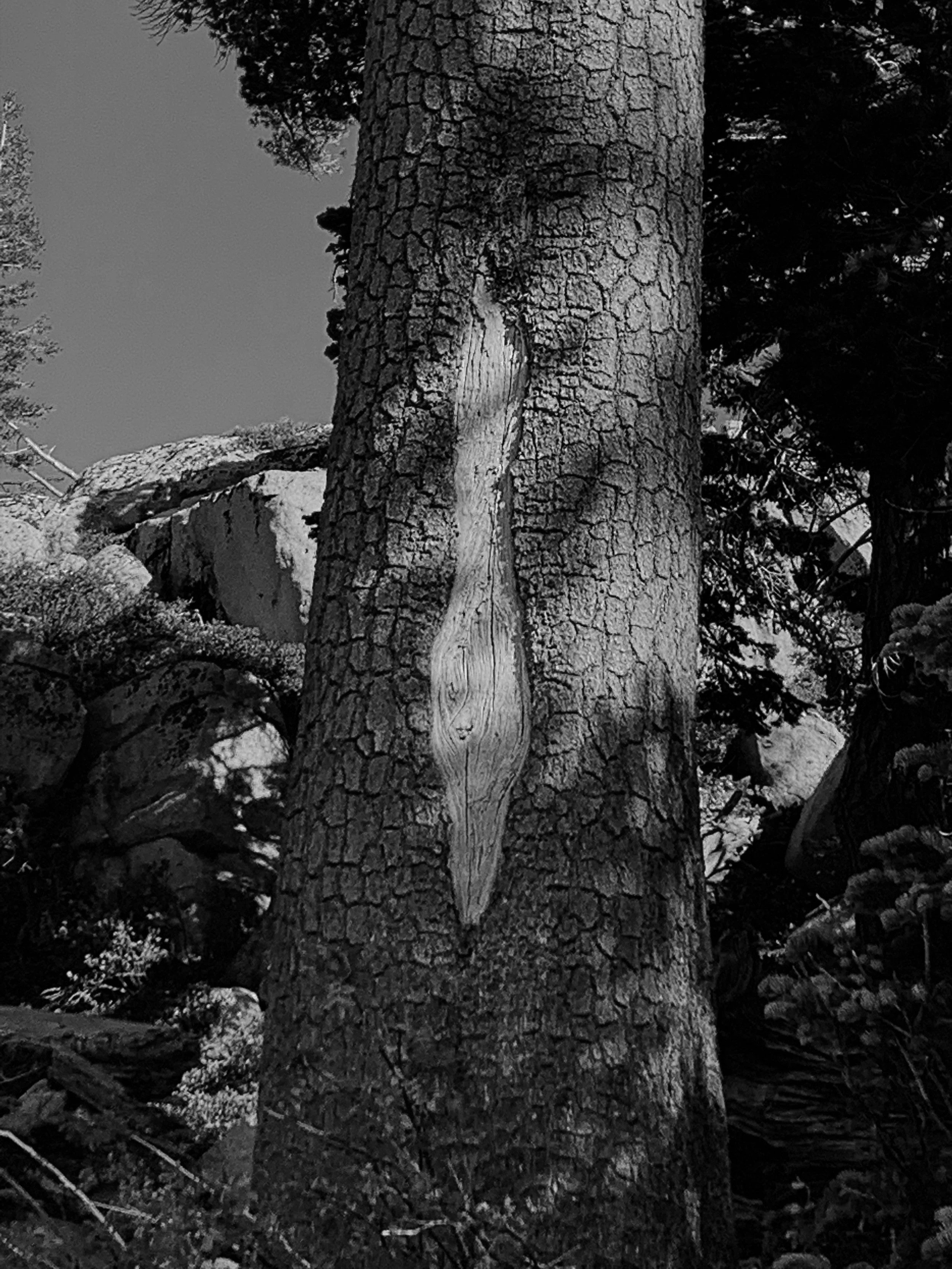
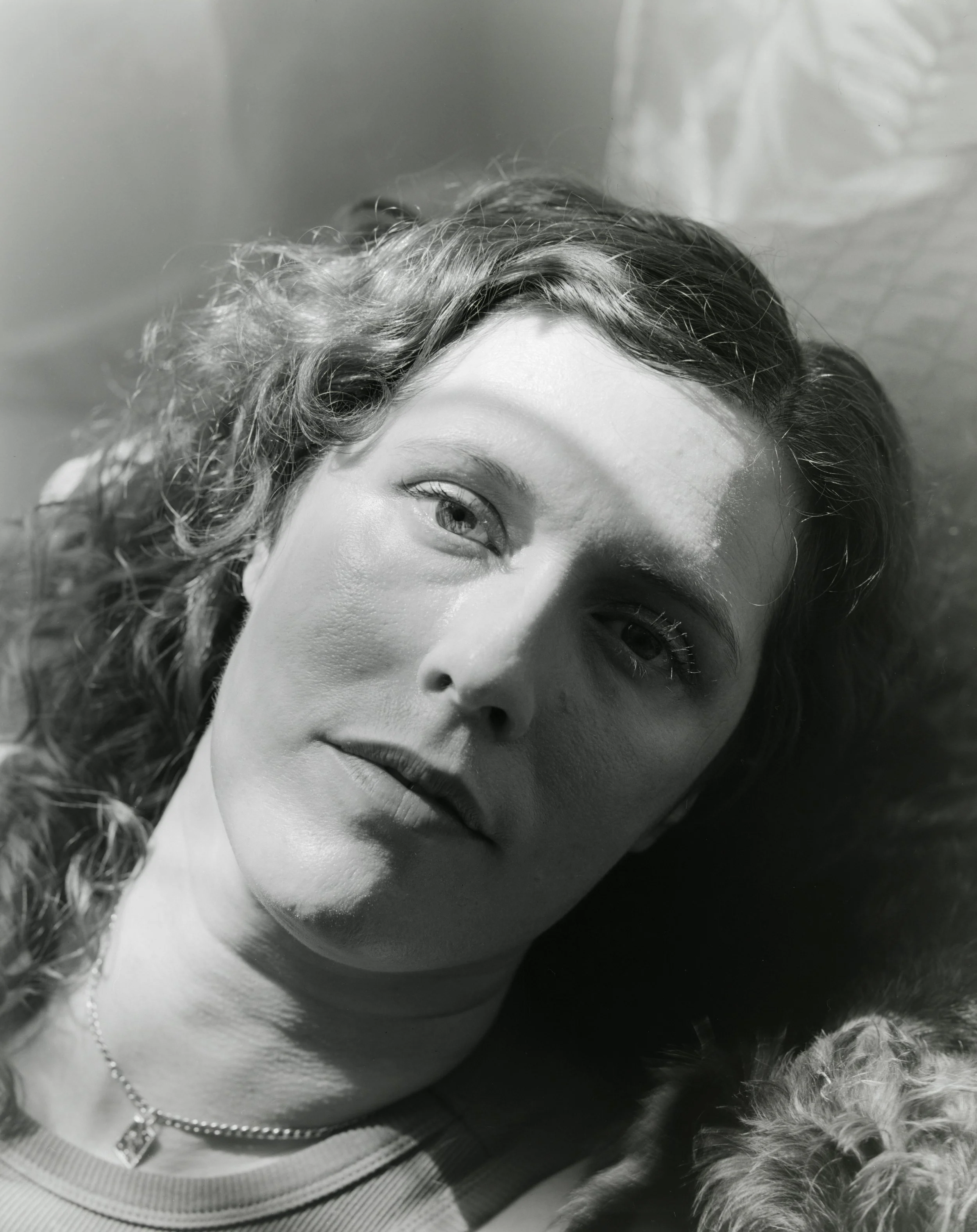
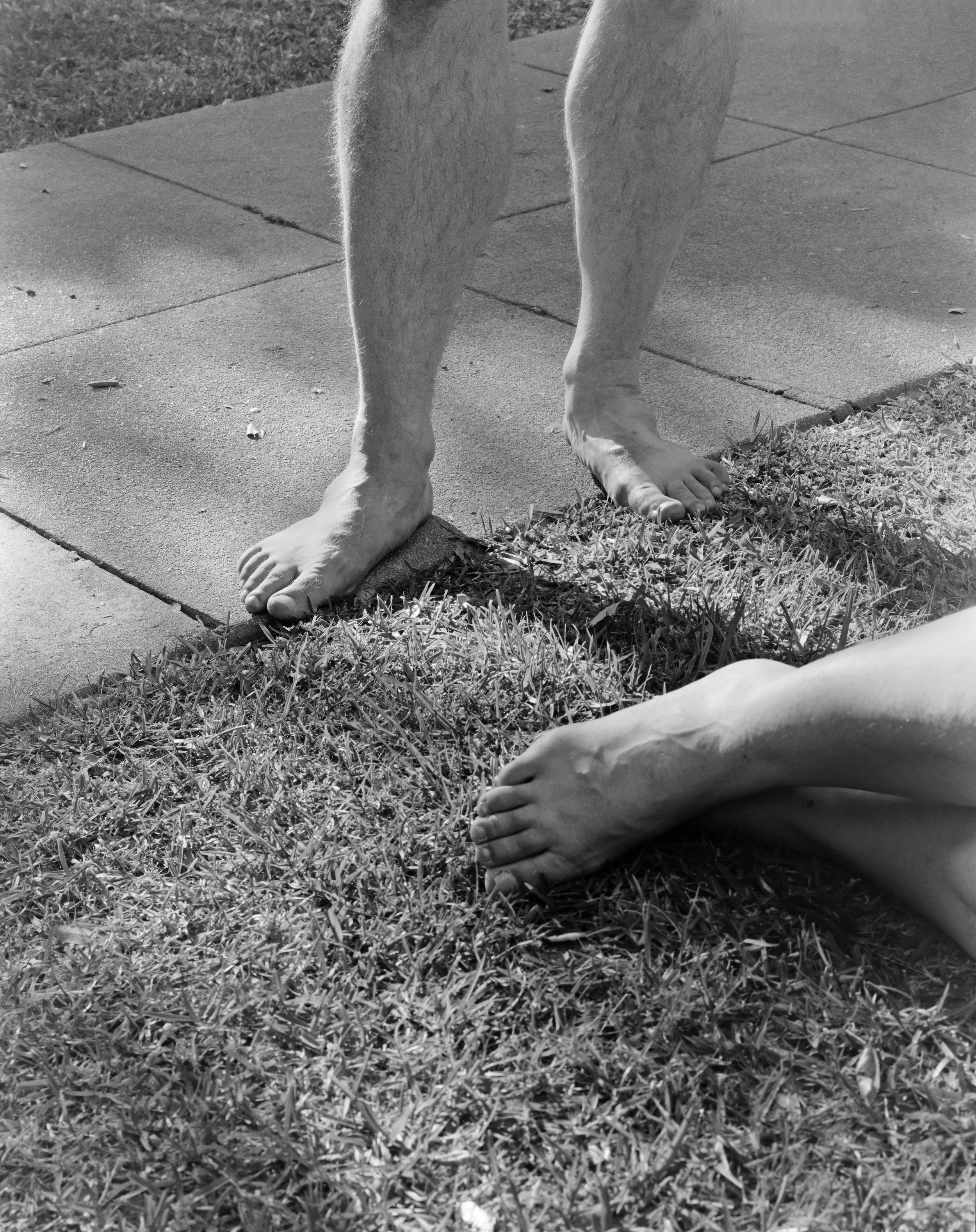
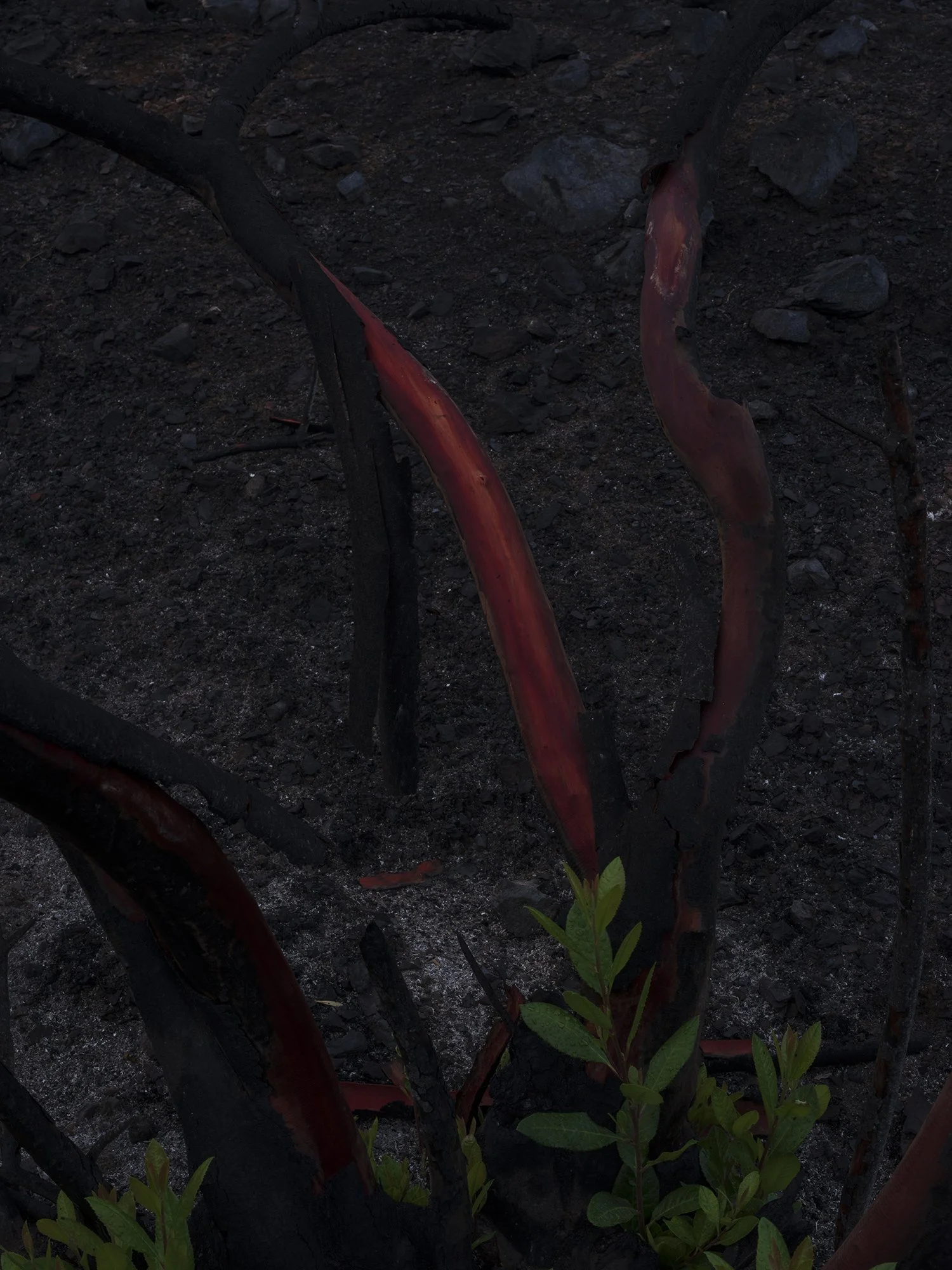
Following the impulse to look outward again, I began peeling away these layers of fortification by photographing people close to me: my partner, family members, old friends. I photographed animals, trees, gardens, mountains, and the places I passed through while moving between them. These encounters have become a way of thinking about connection.
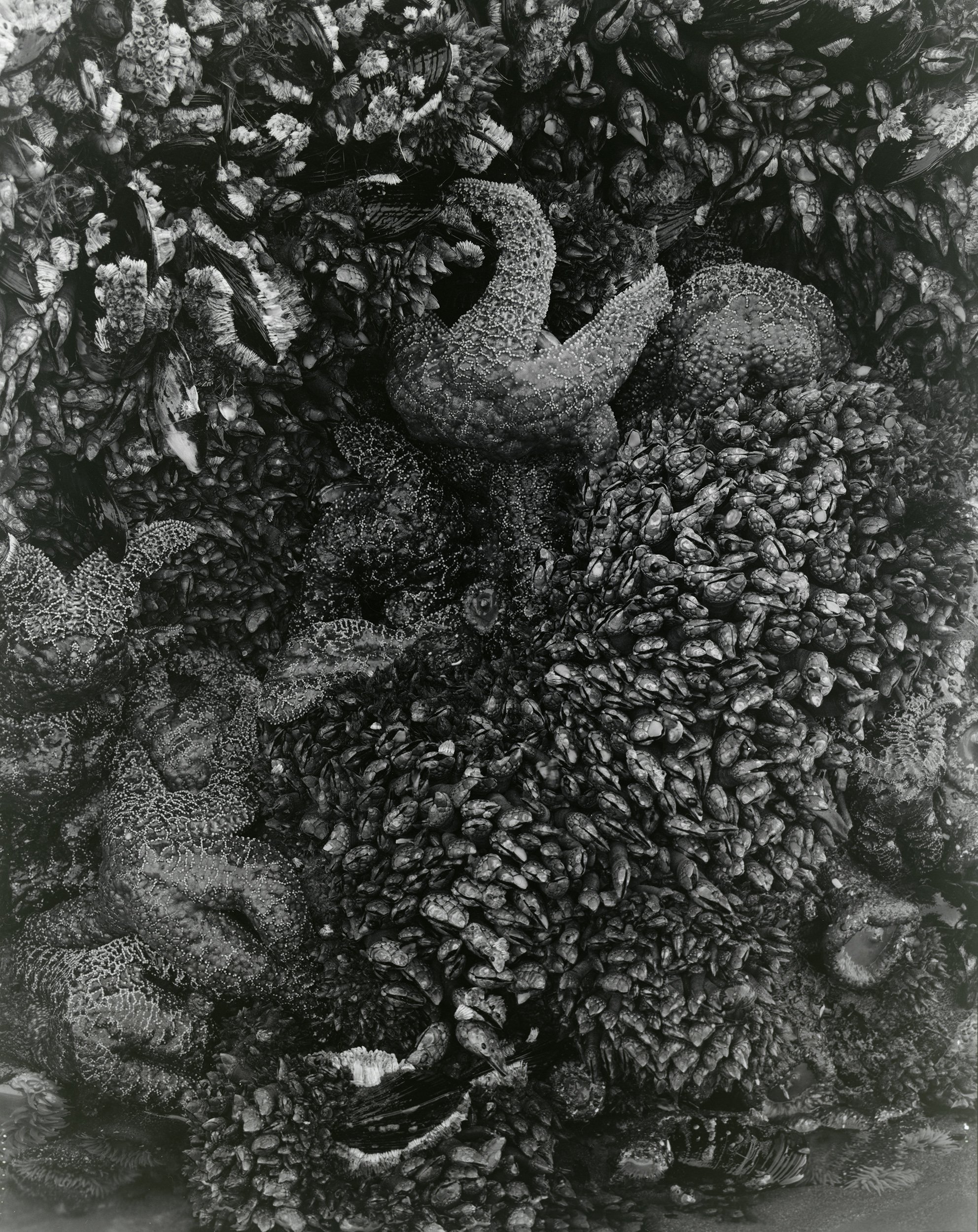
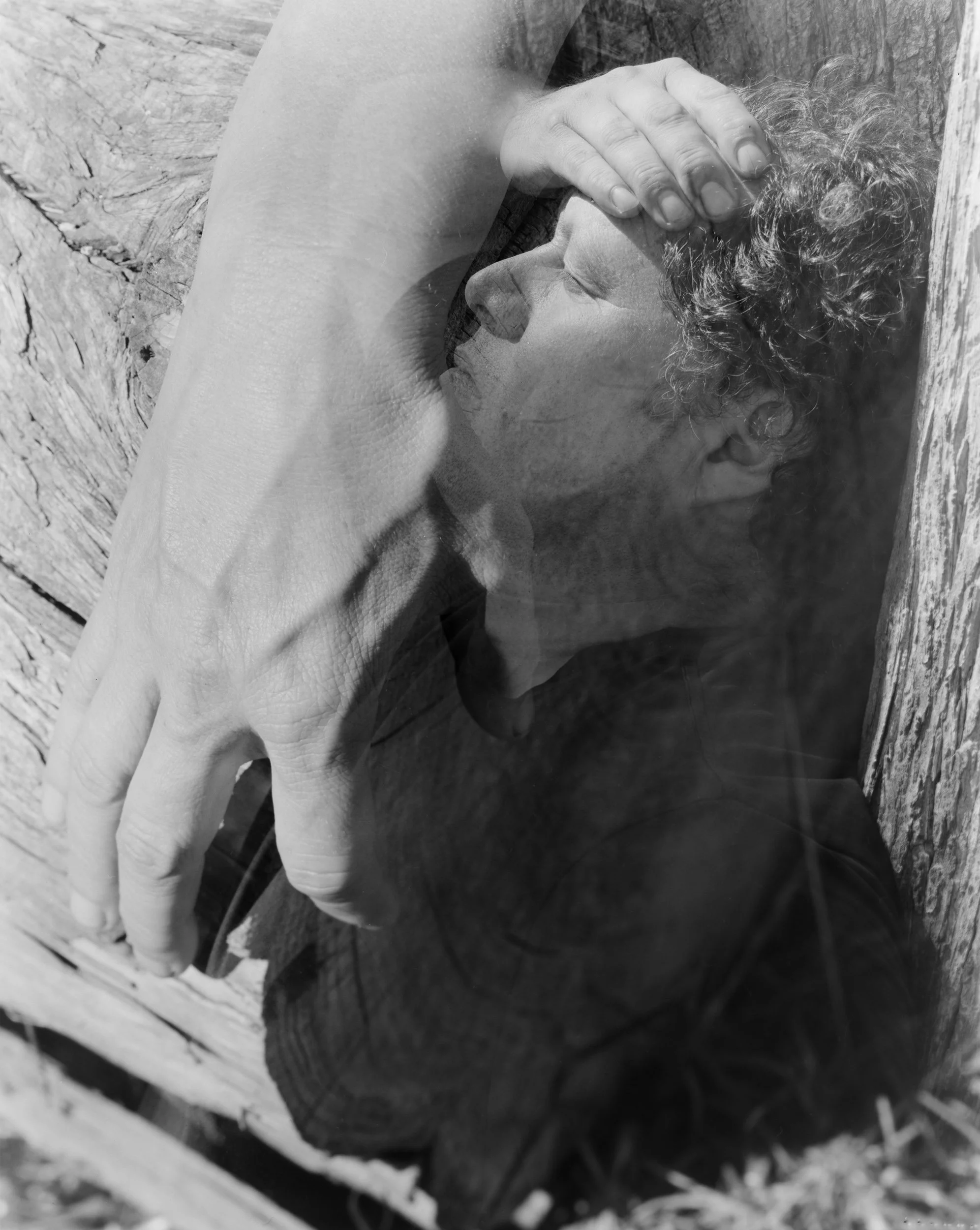
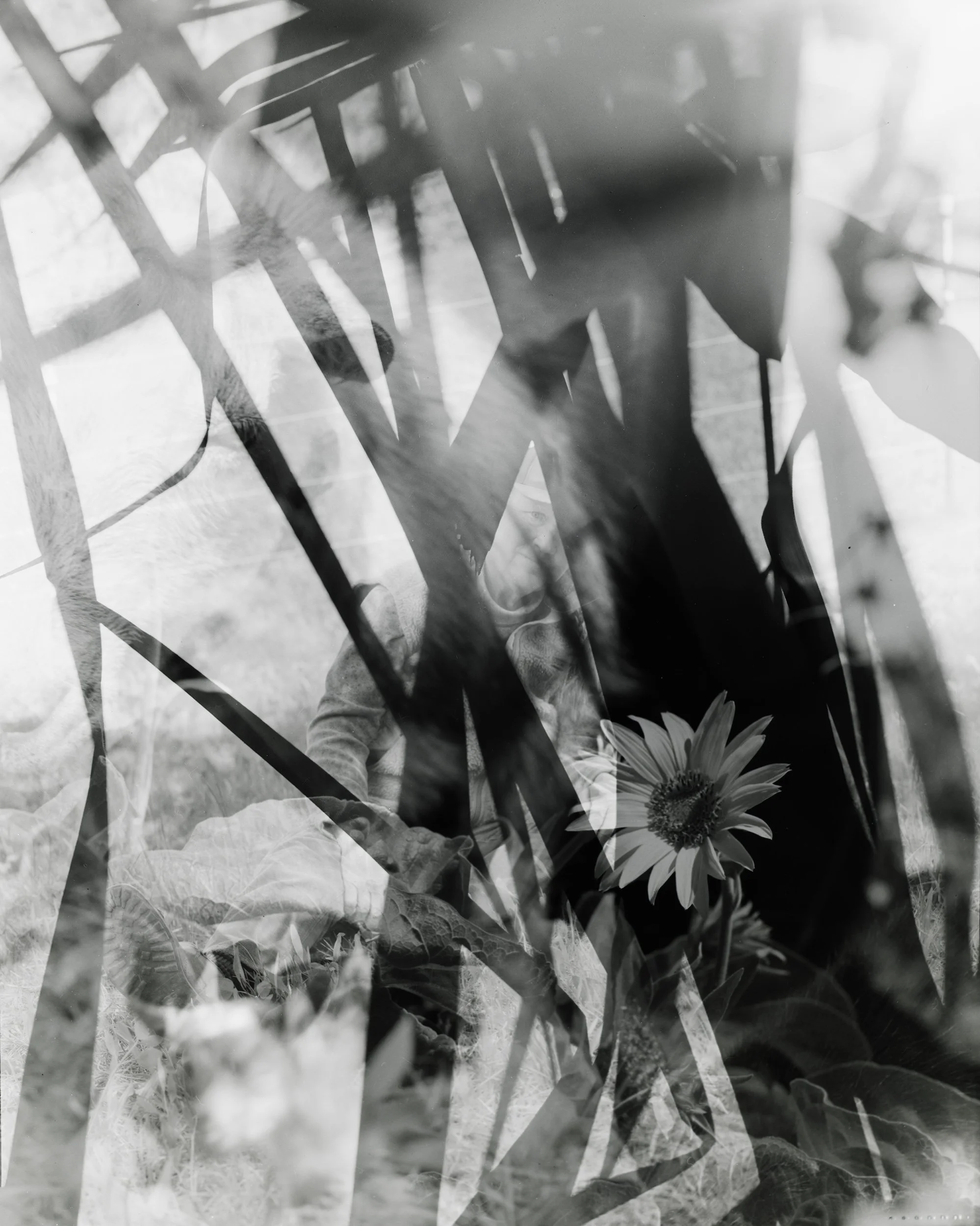
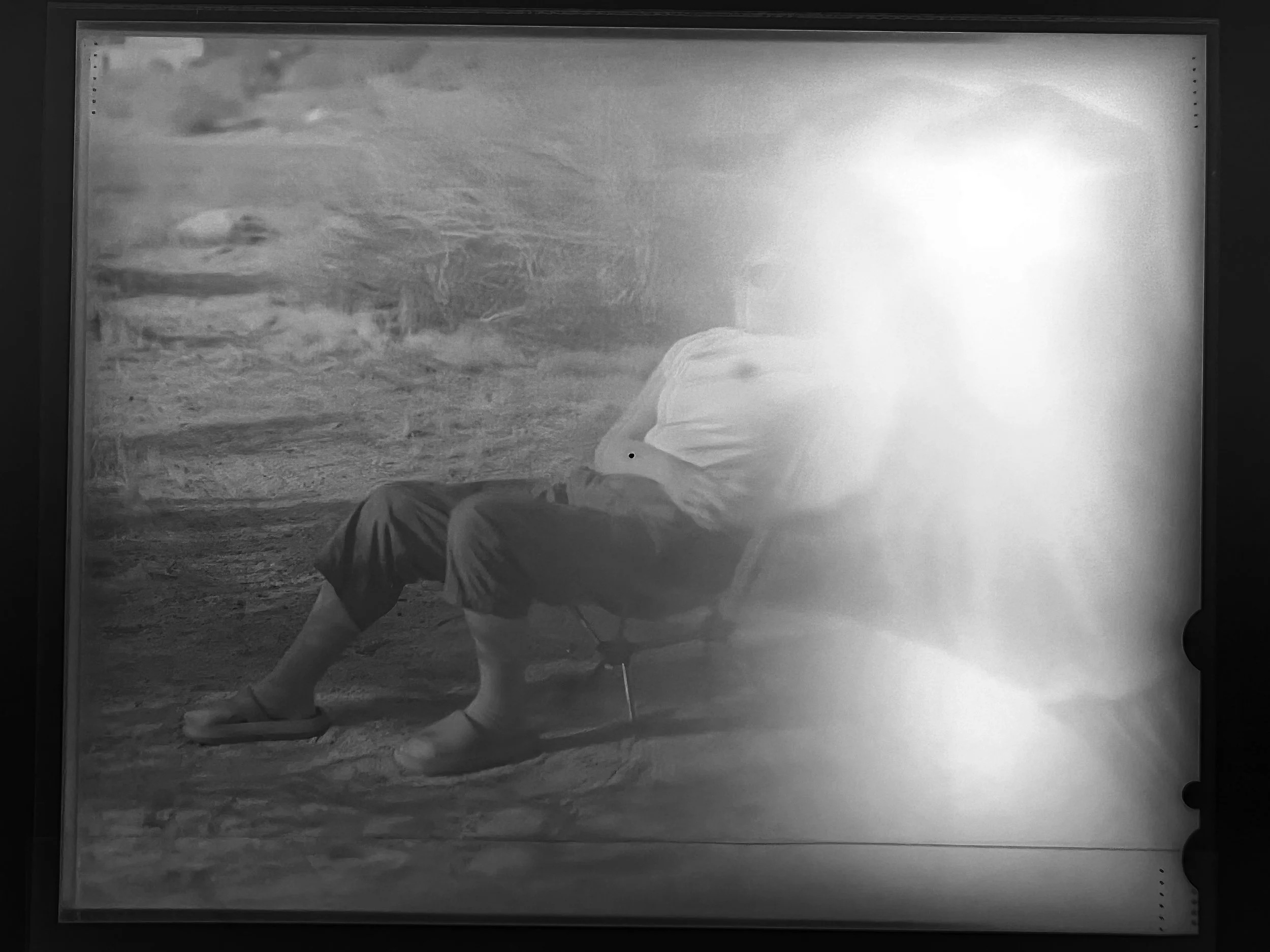
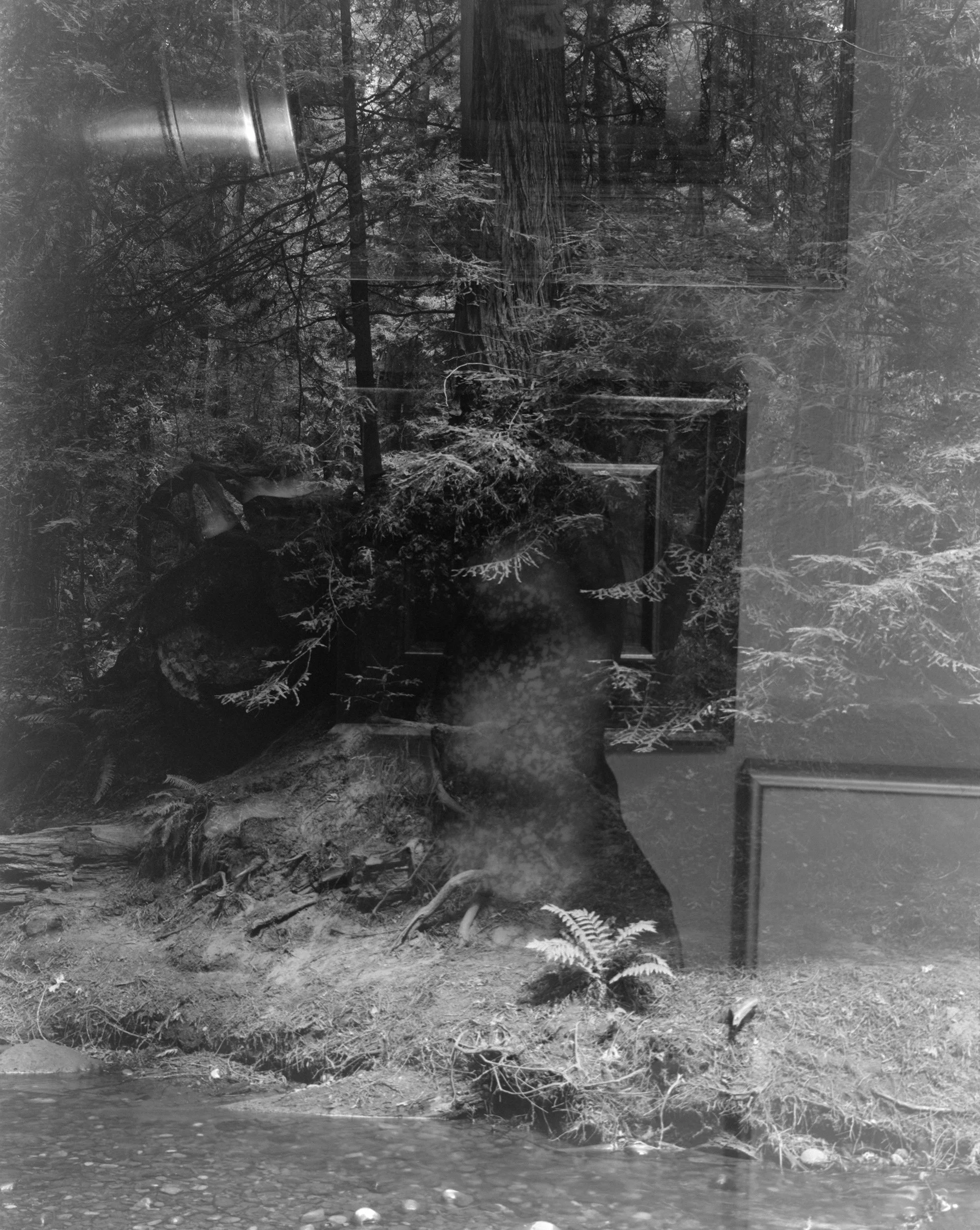
I began working with a large-format camera and experimenting with ways to disrupt its usual separations: between photographer and subject, foreground and background, one moment and another. I exposed sheets of film more than once. Sometimes I placed flowers, plants, or other materials inside the camera itself. Bodies merged with vegetation; interiors opened onto forests; one moment occupied another. I am not leaving anger behind. I am trying to perceive what can exist alongside it: attachment, bewilderment, tenderness, pleasure.